

Onimusha: Way of the Sword sees the return of Capcom’s classic demon-slaying series, and it isn’t an exaggeration to say the comeback couldn’t be better.
Developed by Capcom using its RE Engine, Onimusha: Way of the Sword is available on the PS5, Nintendo Switch 2, Xbox Series X/S, and PC via Steam. The game is a complete reboot of Capcom’s original Onimusha series, with fast-paced action and a surprisingly lovable cast of characters who make the experience memorable.
Hack, Slash, and Aura Farm
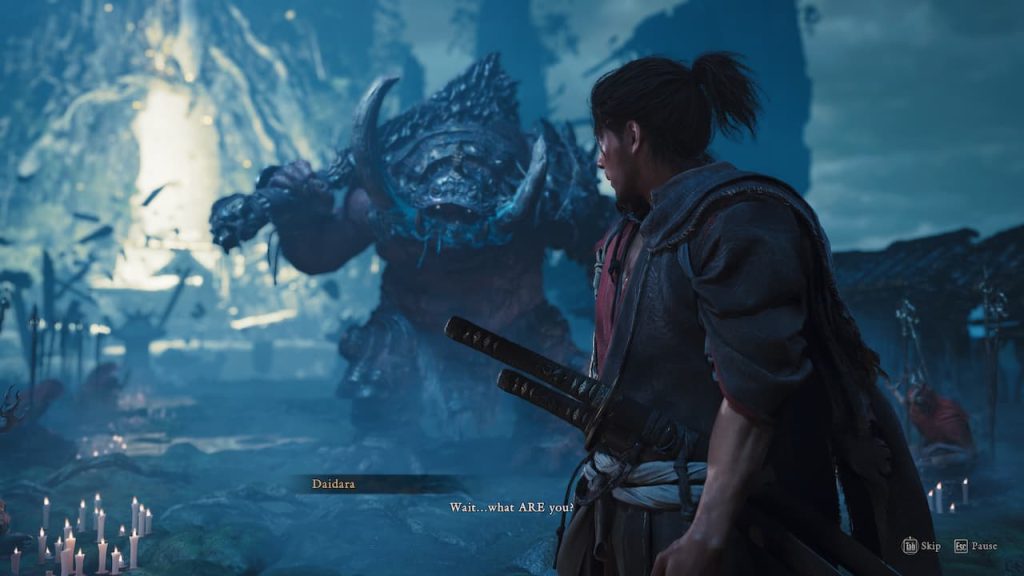
As someone who didn’t play the original Onimusha games, I didn’t really know what to expect from Way of the Sword. I initially thought it was a remake, but then learned it was a complete reboot that required no knowledge of the series. It sounded like magic to my ears, so I figured I’d give it a shot, and I’m really glad I did. I may have jumped into Onimusha: Way of the Sword blind, but it immediately won my heart and may just be my game of the year now.
Gameplay
Gameplay is definitely where Onimusha: Way of the Sword excels. The combat feels extremely fluid, and I love how responsive the player character is. Instead of trying to be a different game, whether it’s a Soulslike or even Capcom’s own Devil May Cry series, Onimusha recreates the feeling of two samurai facing off in a battle of the sword. It’s because of this that you may find enemies attacking one at a time instead of ganging up on you.
Your sword in this game actually feels like it holds weight, as every slice feels like genuinely cutting through something, and every block or counter requires the protagonist, Musashi Miyamoto, to use his strength. While the Sekiro comparisons were unavoidable, Onimusha sets itself apart by giving players the freedom to play however they want.
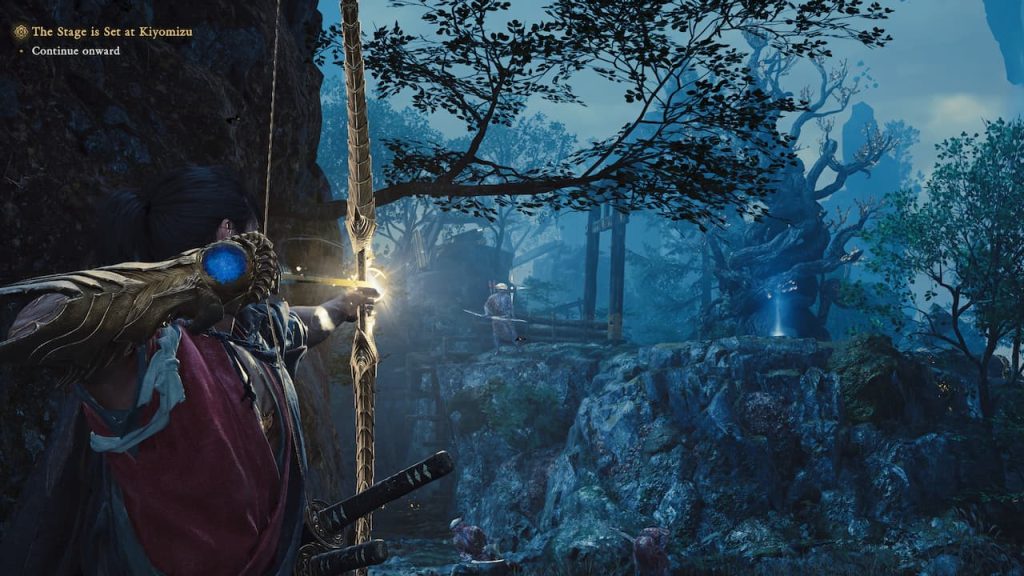
In addition to the sword, players can use supernatural abilities and other tools to keep things interesting. Even when it comes to the game’s tools, called Oni Armaments, players can pick and choose which ones complement their playing style. While I mostly went for the Earth-Shakers, which deal heavy damage to the enemy’s stamina, others excel at dealing damage, melting enemy health, extracting yellow souls, and more.
Speaking of stamina, there are two major ways to deal with enemies. The first is depleting the enemy’s health by dealing damage, while the second is depleting their stamina by parrying their attacks, letting you perform a fatal finisher. Naturally, this doesn’t apply to bosses, since you’ll likely have to use multiple finishers to take them down.
All in all, the sheer freedom and fluidity Onimusha: Way of the Sword offers players is easily its biggest strength. This is the type of game where you genuinely look forward to fighting enemies, which is the greatest praise I could think of for a hack-and-slash game such as this.
Onimusha: Way of the Parries
When someone mentions parrying, the first thing to come to someone’s mind is Sekiro’s identifiable parry system. Onimusha: Way of the Sword has this and more. The game lets players approach enemy attacks in multiple ways. While the basic parrying, blocking, and dodging mechanics are straightforward, there’s much more to Onimusha’s combat system.
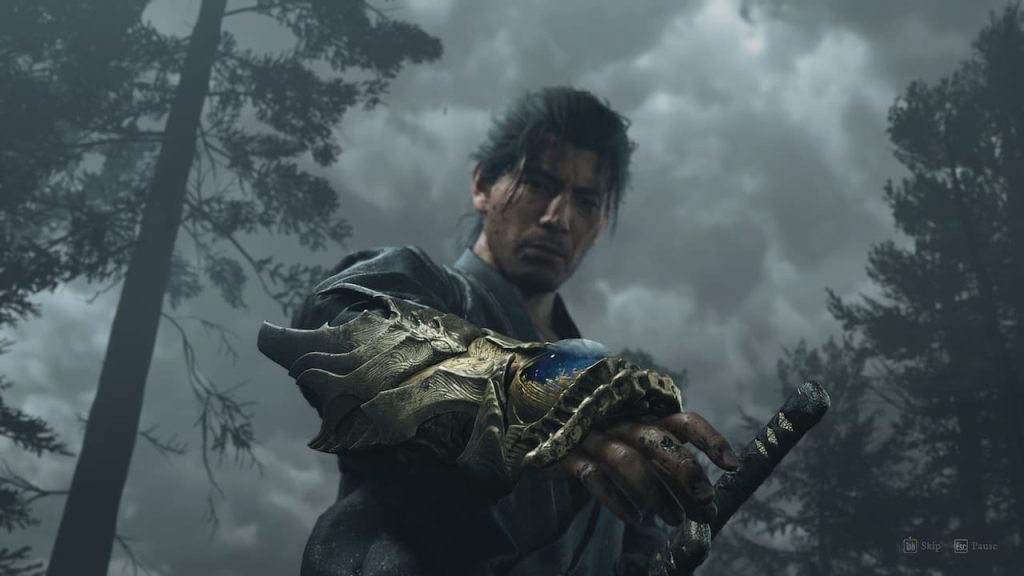
My favorite mechanic is Issen, which is doable by pressing the attack button at the exact moment an enemy’s attack is about to hit you. While it’s tough to get down correctly, especially during a fast-paced battle, it deals massive damage to boss enemies and instantly takes down most non-bosses. Not to mention, there are multiple Issen variations, adding to the game’s freedom.
It got to the point where I was seeking out enemies and attempting to successfully perform Issen on enemies just to feel cool. Of course, it led to me losing during otherwise winnable fights, but it was worth it when I landed an Issen or two.
Graphics & Audio
Onimusha: Way of the Sword looks absolutely breathtaking. In particular, Kyoto looks beautiful, and I absolutely loved the Edo-period setting. Players can visit real historical locations such as the Rokudo Chinno-ji Temple, giving history-savvy people something to look forward to.
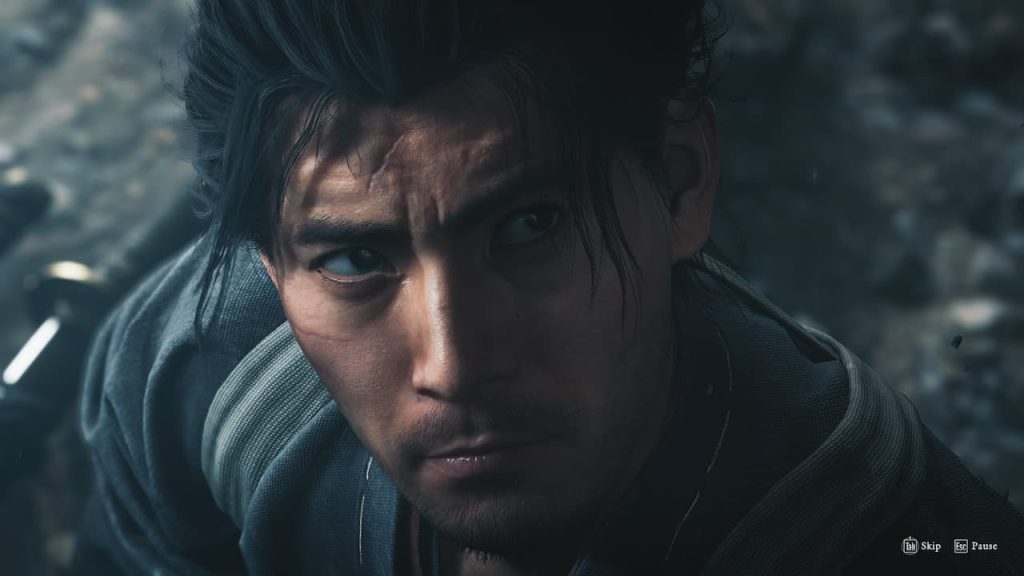
The game’s cutscenes are also excellent, with the RE Engine doing much of the heavy lifting. The engine also ensures that Onimusha’s optimization is up there. I didn’t experience any FPS drops or delayed textures during my time with the game, which is fairly rare when it comes to most AAA games nowadays.
Onimusha’s audio design is up there with some of the best games I’ve played. In particular, the clashing of blades sounds great, especially with my headset on. The game’s music is nice, but it doesn’t stand out in the sense that I won’t be blasting it even when I’m not playing the game. Naturally, this isn’t necessarily a bad thing.
While not exactly related to the game’s graphical prowess, I especially love the facial animations that characters make in this game. Musashi especially makes all sorts of faces during cutscenes that help make him feel more realistic and likable. You know when he’s confused, excited, or even sad.
Longevity

Onimusha isn’t exactly a long game. You can expect to spend anywhere from 20 to 40 hours with it, depending on how much optional content you do. Much of this is because the game takes a linear approach instead of an open-world one. While players can definitely roam Kyoto, missions are mostly linear with little room for exploration.
Fortunately, the story is extremely memorable. Every character has their own personality and distinct style that makes them memorable, and you genuinely want to root for Musashi. Capcom surprisingly nailed the emotional aspect of storytelling and successfully turned Musashi into a likable protagonist instead of going for the usual silent, nonchalant samurai route.
Those who want to get more out of the game can also play Onimusha: Way of the Sword’s New Game Plus mode with Carnage difficulty. The combat system is much more utilized when playing on this greater difficulty, though the downside is that players may have to go through some repetitive story points. These include repeating bosses and rifts that get mundane quickly.
Final Thoughts
I may not have expected much from Onimusha: Way of the Sword, but it still found ways to pleasantly surprise me. It’s one of the most enjoyable games I’ve played this year. And much of that is because it’s just so much fun. The game knows what it is and leans into the samurai theme instead of trying to replicate a formula that may have worked for some other developer. When I do get the time, I’ll definitely be chasing every Steam achievement for this game.
It’s for this reason that I give it the Thumb Culture Platinum Award!

Disclaimer: A code was received in order to write this review.
YouTube | Facebook | Twitter | Instagram | Discord | Podcast
About Author
