
Despite having a fascinating setting and art direction, 1666: Amsterdam’s early access state suffers from multiple technical issues that need ironing out.
Developed by the indie studio Panache Digital Games, 1666: Amsterdam genuinely caught my attention when I first saw it during this year’s Summer Game Fest. Available on Steam and the Epic Games Store, the game is currently in early access. However, the game’s going to have to do a lot of heavy lifting during this early access period if it wants to recover the goodwill it lost because of performance and AI-related issues.
Abracadabra Alakazam
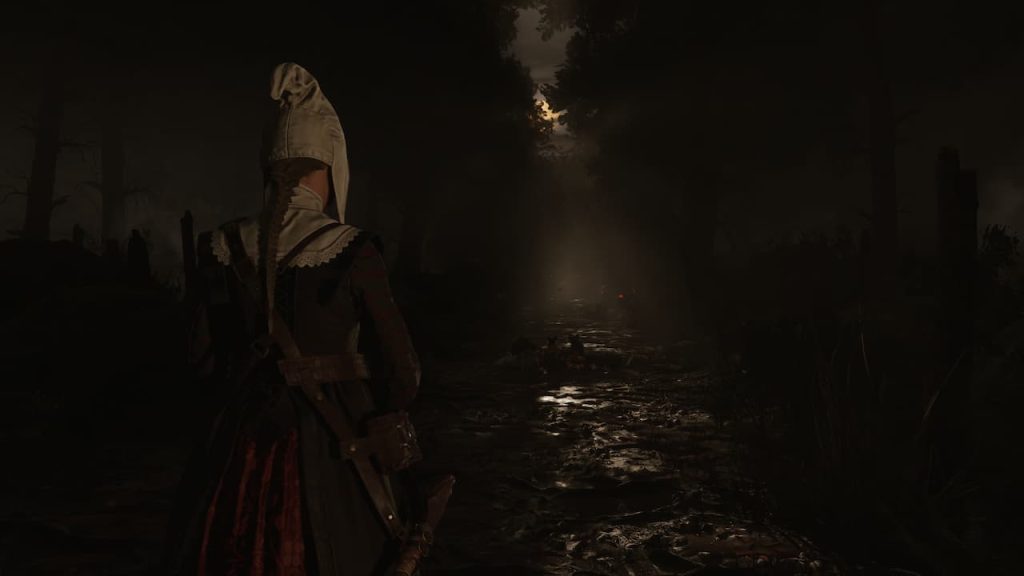
1666: Amsterdam’s historical and supernatural setting already captivated many who first saw it. The game’s demo was excellent, and the early access retains much of the feel that many expect. But it isn’t all moonlight and witchy roses. From subpar combat to rough animations, the game has a lot of technical problems that make it tough to properly convey the ambition that the people over at Panache Digital clearly have.
Gameplay
Gameplay is where 1666: Amsterdam shines but also struggles. The 17th-century Amsterdam setting gives this game a unique identity that most games just don’t have anymore. Wandering the city and looking at the architecture is a joy, even when you’re investigating something during one of the many detective-like missions.
Speaking of investigating, it’s cool how 1666: Amsterdam gives players multiple ways to approach certain objectives. Players can utilize manipulation techniques, possession, stealth, the environment, or just brute-force their way past anything in their way. This flexibility is appreciated, especially considering the game’s already seemingly large scale.
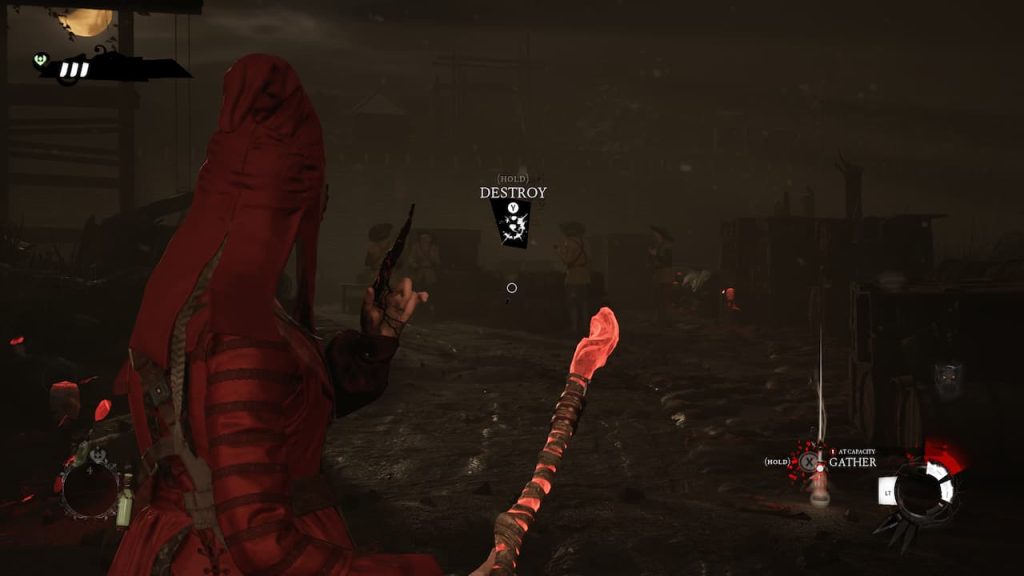
In addition to the setting, the game’s story does a lot of heavy lifting as well. Even though the gameplay loop itself was fine, I still pushed on because I wanted to know what happens next. Jumping between different periods and centuries felt exhilarating, as if the developers really understood why supernatural mystery fans adore the genre.
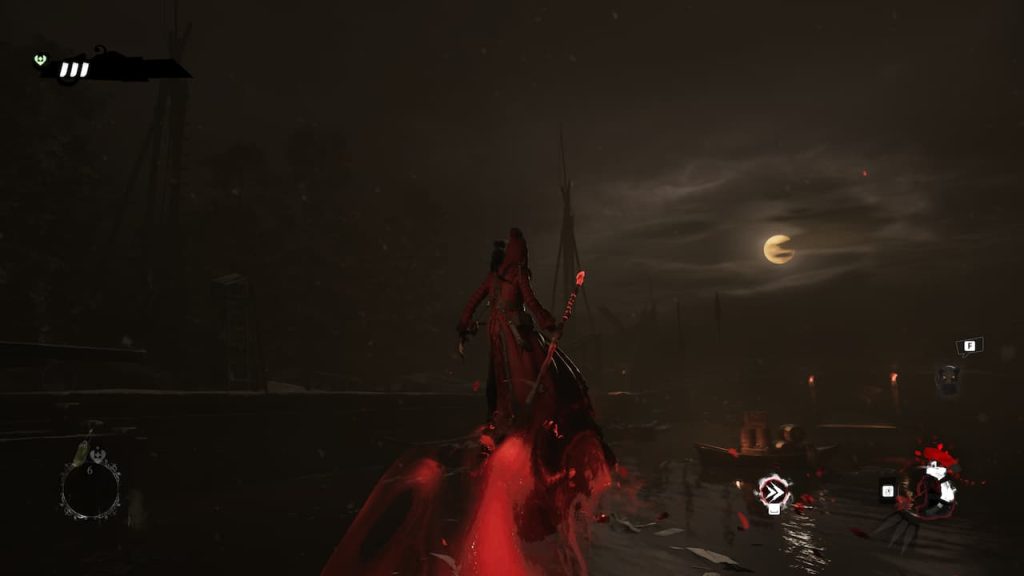
The more supernatural gameplay mechanics are also cool. We can possess Aaron in his cat form and use him to frighten NPCs before possessing them and using them for all sorts of purposes. Noa also has different supernatural abilities, whether it’s something as simple as lighting a fire or something grand like manipulating the environment. The first hour sets this up perfectly when the game has you glide on the water like a true witch.
Button-Mashing to Victory
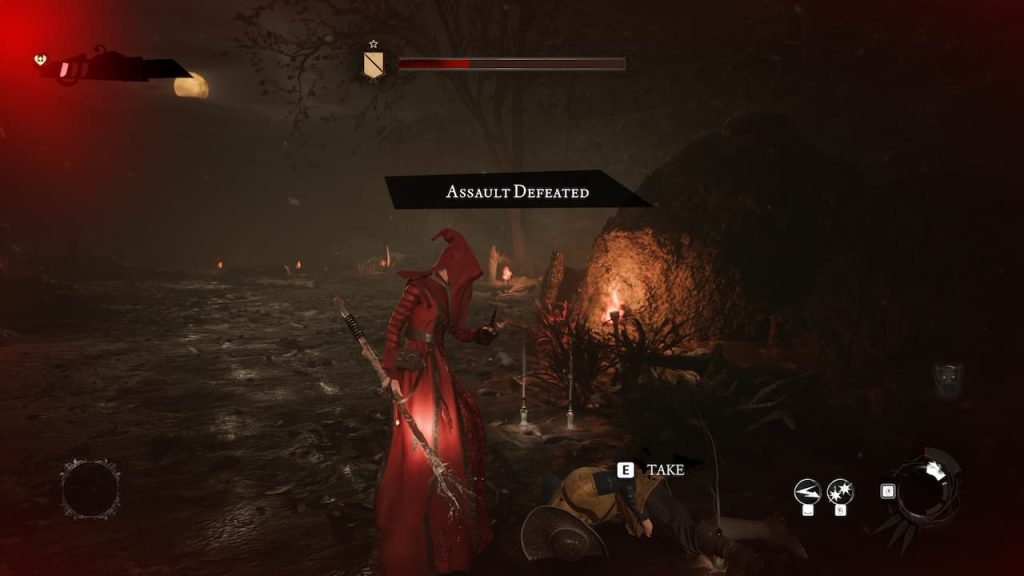
Combat is by far the weakest part of 1666: Amsterdam’s gameplay loop. While constantly bonking enemies with your staff sounds cool, that’s basically all there is to it. Players are just pressing the attack and dodge buttons until their enemies ultimately lose their health. There’s no parry or conventional block button that could mix things up.
While constantly dodging does take some getting used to, it becomes simple when you realize that you can just replenish your health using potions. This adds an extra sense of repetitiveness to this game’s combat, which is odd, considering it has a lot of supernatural combat potential.
Graphics & Audio
1666: Amsterdam’s voice actors have done an excellent job in bringing their characters to life. Whether it’s the ever-confused Aaron or the hopeful Noa, there wasn’t any point in the roughly 12-hour early access that I thought anyone’s voice felt out of place. The music is also great, especially during the game’s more intense sequences.
The game’s art style and direction are also great. The constantly-shifting images and sequences felt rightfully eerie, regardless of what century I was in during my playthrough. Pair all of this with the overall setting that I already mentioned, and that’s where the positive aspects stop.
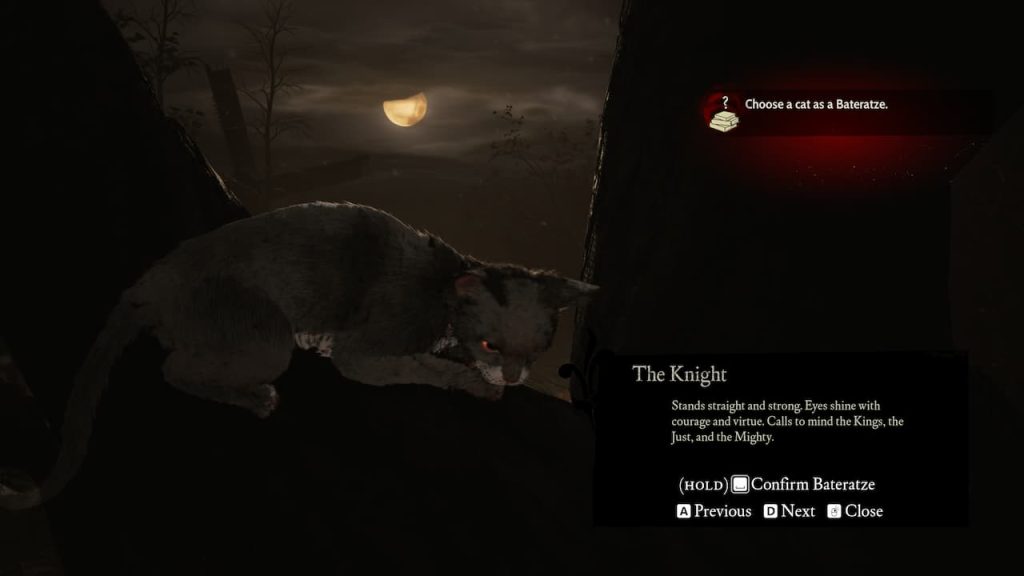
1666: Amsterdam’s world is impressive, but it’s extremely empty. The world just doesn’t feel as alive as I would have liked, even though it’s extremely large. Fortunately, exploring the historical city did make me forget that part of the charm of exploration is witnessing a living, breathing population. That leads me to the biggest issues with this game. 1666: Amsterdam is a mess when it comes to optimization. The game is filled with constant FPS drops, weirdly loading textures, and bugs that ruin the immersion aspect. This game is indeed in early access, but it’s hard to defend poor optimization when I’m facing FPS drops during a boss fight.
Then, there are the character animations. While the voice actors clearly did their best to ensure their characters felt alive, it’s hard to retain the immersion when the visuals speak for themselves. Character animations feel odd and clunky, and the lip synchronization is choppy at best.
Longevity
1666: Amsterdam is still in early access, so it’s tough to determine its longevity. However, the fact that the game gives players multiple ways to approach certain targets and missions already adds a sense of replayability. Still, the overall combat and other visual and performance issues could dissuade some players from touching the game again after finishing it.
Of course, much of this will likely go away through subsequent updates in the early access. But that leads me to my next gripe. Panache acknowledged that it used some AI-generated assets during the conception and pre-production of 1666: Amsterdam. This isn’t as much of a longevity issue as it is a moral one.
For many, 1666: Amsterdam presents itself as having a highly handcrafted historical world. But using AI-generated assets takes a lot away from that. The visual identity of any game is determined through the concept art, and using AI during that period means that AI will forever be part of its identity.
While the developer has promised to remove any traces of AI in the final product, this does mess with the trust factor that a lot of gamers treasure. Not to mention, many believe the developer only decided to be transparent after the AI content was caught in the demo is tough to forget.
Final Thoughts
1666: Amsterdam has the makings of something great, but the game still has a lot of work to do before it can achieve that. From the performance issues to the developers having lost a lot of trust, I do hope that Panache can come out of this entire thing stronger. After all, the passion and ambition are clearly there, and I would hate for that to go to waste. My biggest hope is that the game is more polished and the developers are more transparent going into the full release.
Disclaimer: A code was received in order to write this review.
If you enjoyed this review, why not check out this one too!
YouTube | Facebook | Twitter | Instagram | Discord | Podcast
About Author
