
If you grew up watching Toy Story, there’s a good chance you spent some time playing its video games, too. Developed by Digital Eclipse and published by Atari, Toy Story: Retro Roundup brings eleven versions of classic games together in one collection. Modern features like rewind, save states and cheats make revisiting these childhood favourites much easier. There’s also a wealth of behind-the-scenes footage, hints, tips and artwork celebrating their development.
Toy Story: Retro Roundup released on 15th October 2026 for PS4, PS5, Xbox One, Xbox Series X|S, Nintendo Switch, Nintendo Switch 2 and PC. The digital version costs £24.99 or £32.99 as part of a double pack with Toy Story 3: Complete Edition
The question is whether Toy Story: Retro Roundup takes these childhood classics to infinity and beyond, or leaves them gathering dust at the bottom of the toy box?
There’s a SNES in my Boot
Digital Eclipse has previously worked with Disney on other compilations, including The Disney Afternoon Collection (2017) and Disney Classic Games Collection (2019). Toy Story: Retro Roundup includes multiple versions of four Toy Story titles and the bonus inclusion of two versions of A Bug’s Life. I had played three of the games before so there was a lot of new things for me to experience, let me know in the comments how many of them you have played before?
Gameplay
Toy Story: Retro Roundup offers a mixed bag in quality and difficulty. Modern features make these games much easier to enjoy today. The original Toy Story game for the Mega Drive/Genesis and SNES is brutally difficult. My first experience left me wondering how anyone completed these games back in the day. Thankfully, modern conveniences helped me experience this notoriously difficult platformer. Toy Story 2: Buzz Lightyear to the Rescue is the collection’s standout platformer. Exploring Andy’s House, Al’s Toy Barn and even a construction site as Buzz is enjoyable. The camera controls have aged like sour milk, but the experience still holds up. I’d never played A Bug’s Life and it was a pleasant surprise. Its inclusion makes perfect sense, given that it shares the same developers (Traveller’s Tales) as a few games in the collection. The puzzle-platforming was fun but again the camera and the controls felt too slick.

The Spinoffs
Toy Story Racer was already familiar to me, and it’s such a hidden gem. Its variety of modes, tracks and challenges puts it alongside genre favourites like Mario Kart 64 and Crash Team Racing. It has perhaps my favourite soundtrack in the collection. Buzz Lightyear of Star Command feels clunky to control but offers a unique gameplay feature. Each level involves racing against a boss to reach the finish line first. Beating the boss there rewards you with an easier fight. The Game Boy versions of all the games offer trimmed-down takes on their home console counterparts, adapting their gameplay to suit the handhelds’ limitations. They simplify mechanics and offer basic visuals and level designs. Some retain the original games’ core while others are entirely different experiences. They’re interesting additions to the collection, but they lack the content, variety and polish of their console versions.
Graphics & Audio
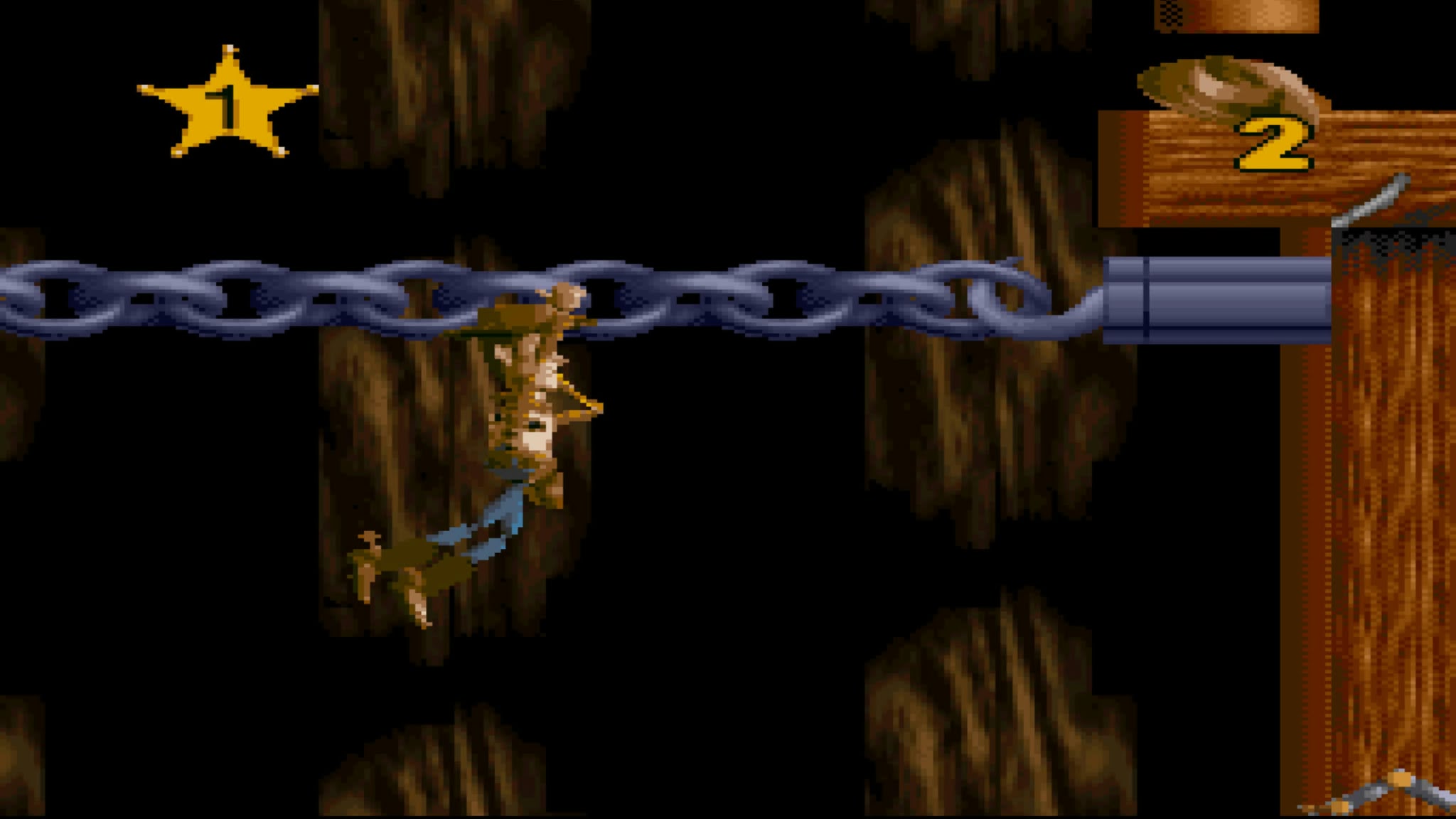
Both console versions of Toy Story use pre-rendered character graphics to recreate the film’s distinctive look. Woody’s animated appearance was particularly impressive for the hardware available at the time. The SNES version offers brighter colours and more detailed environments. The Mega Drive version counters this with additional content, including a RC racing stage. The soundtrack and sound effects help establish the Toy Story atmosphere. However, they become repetitive during extended play. The Game Boy version simplifies the console visuals to suit its monochrome screen. Characters and environments remain recognisable, although some details disappear.
The PlayStation version of Toy Story 2 recreates the films’ scale through fully 3D environments. Locations feel enormous when explored from Buzz’s perspective. Highly compressed film clips help maintain the connection to the original movie. Some textures and environmental details now look dated. However, the colourful presentation retains its charm. The Game Boy Color version replaces the PlayStation’s 3D environments with colourful 2D sprites. Its presentation remains clear enough to identify characters and obstacles. The limited hardware naturally restricts animation and environmental detail.
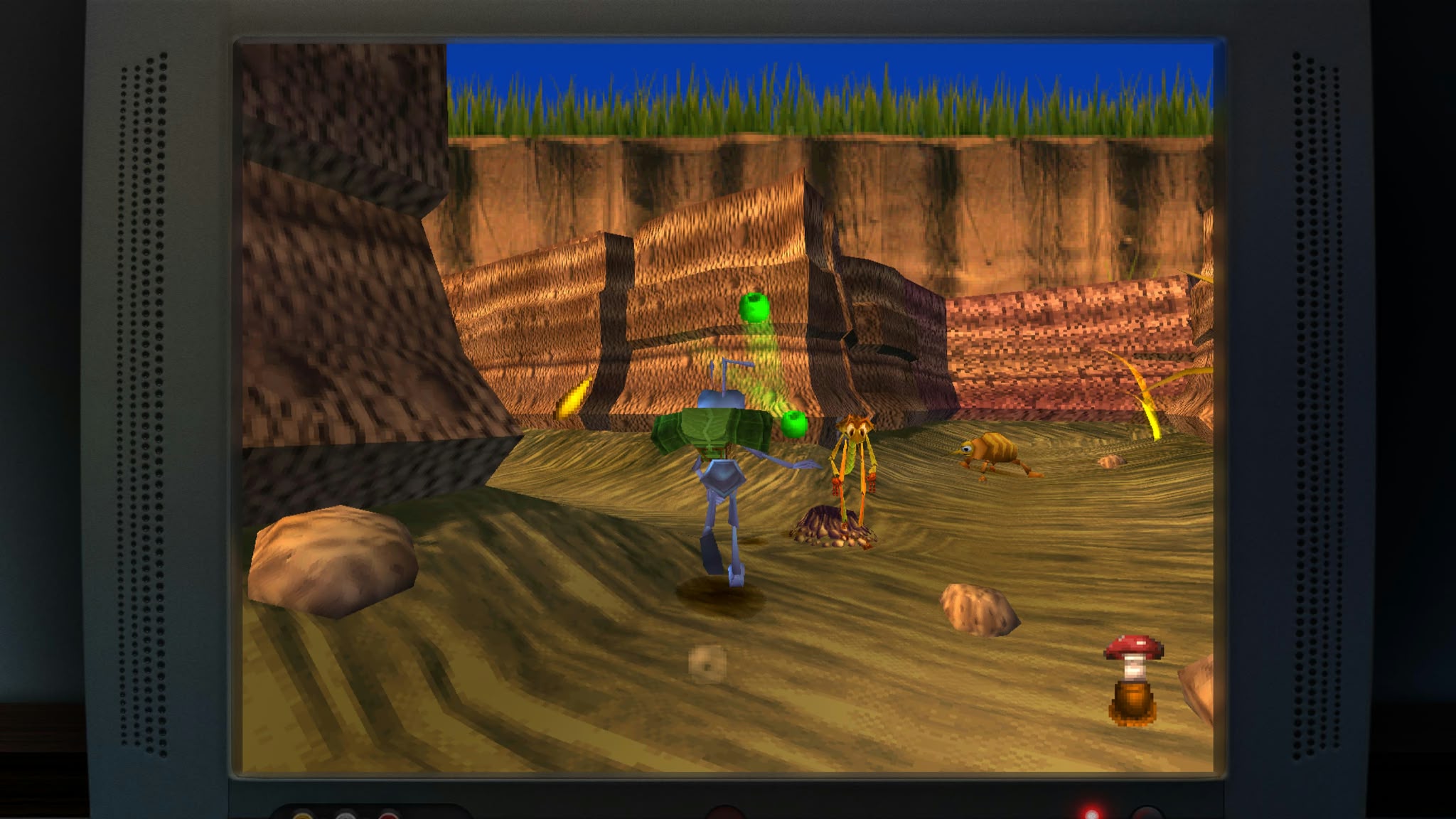
A Bug’s Life on PlayStation uses 3D environments to recreate the world from a much smaller perspective. Grass, plants and oversized objects help establish Flik’s place in the environment. Film clips connect the adventure to the original movie. The music and sound effects reinforce the atmosphere. The Game Boy Color version uses simple 2D sprites to recreate Flik and the film’s insect-filled environments. The visuals lack colour and personality and the soundtrack becomes repetitive, it feel underwhelming, even by late-1990s handheld standards.
Sound for the Spinoffs
The PlayStation version of Buzz Lightyear of Star Command brings our favourite space ranger’s adventures to life. Clips from the TV series interrupt the gameplay and reinforce its connection to the show. However, the presentation feels less polished than other games in the collection. Poor draw distance and sparse environmental details detract from the experience. The audio is memorable and energetic. However, the handheld version adopts a top-down perspective and simplified sprites. Its colourful presentation makes enemies and pickups reasonably easy to distinguish.
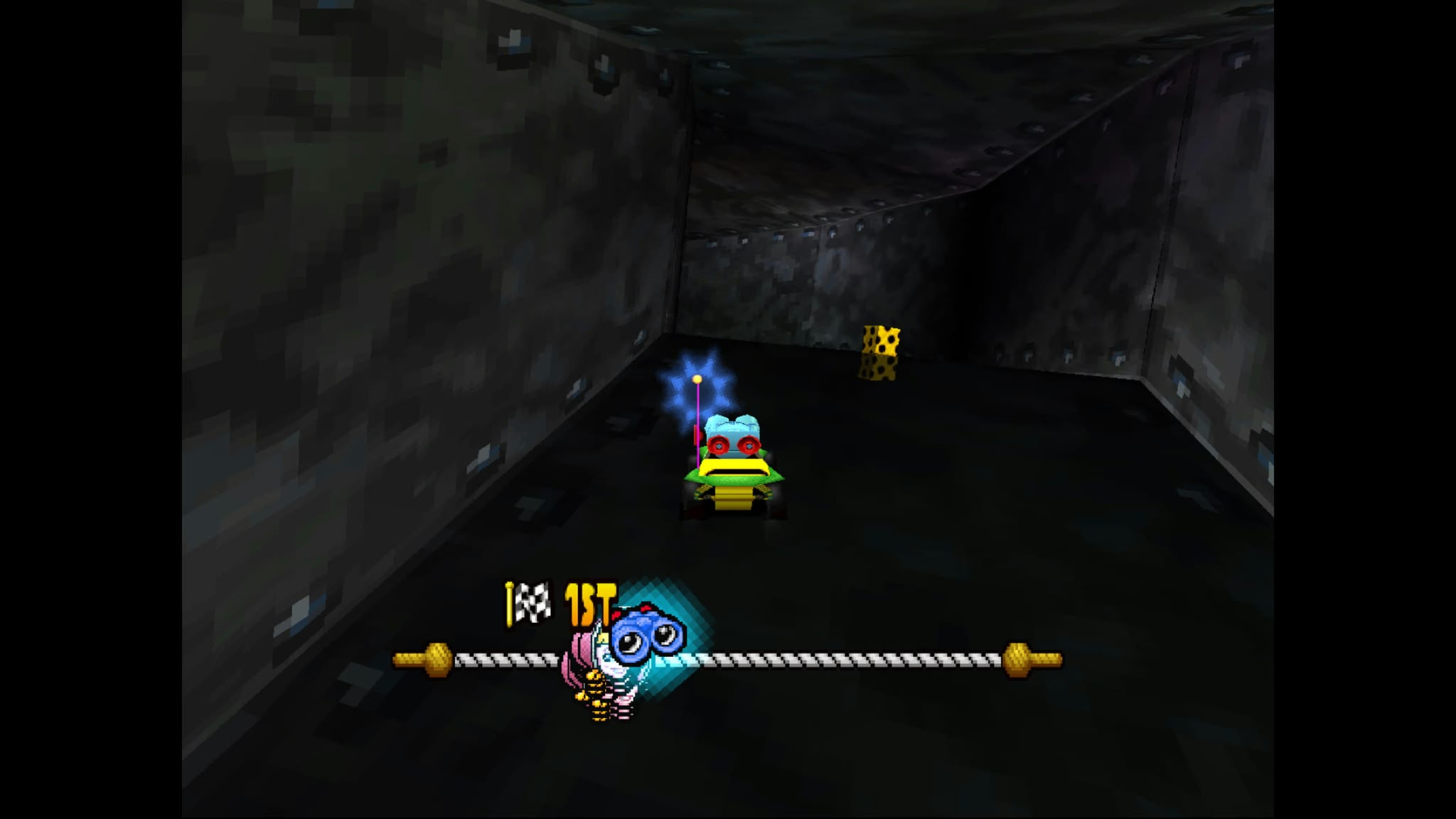
PlayStation’s Toy Story Racer features colourful 3D tracks based on locations from the films. These familiar settings offer plenty of personality and remain easy to recognise. Character models also preserve the franchise’s charm. The soundtrack and racing effects maintain an energetic atmosphere. Engine sounds and collisions help each race feel lively. However, voice lines became repetitive after a while. The Game Boy Color version translates the racing experience into a much simpler visual style. Animation tricks simulate 3D racetracks despite the game’s fully 2D presentation.
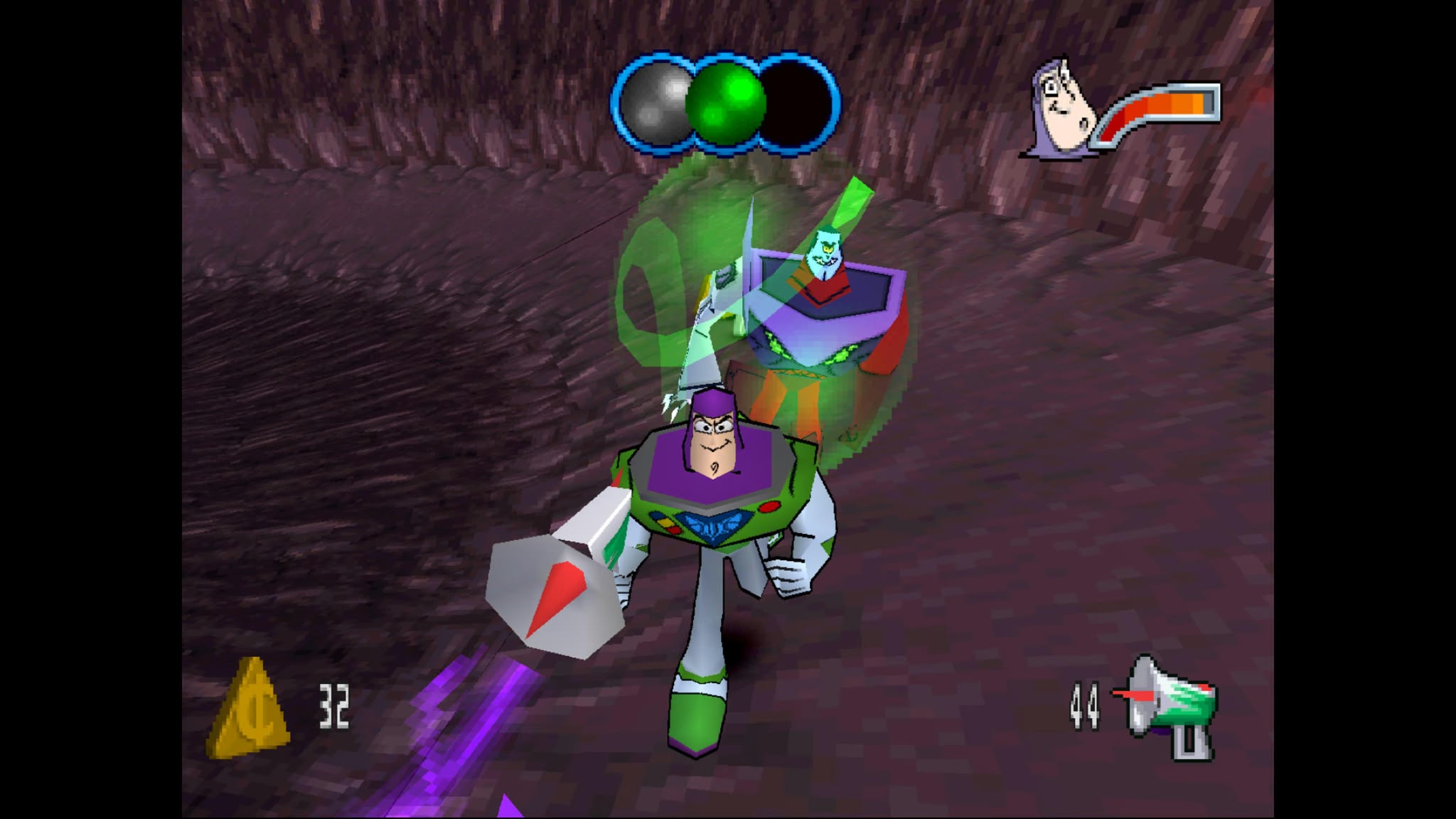
The collection also offers several visual options to customise how the games look on modern displays. CRT filters recreate the appearance of older televisions, adding scanlines and a softer image for an authentic retro feel. Widescreen options also help these classic games fit modern screens, although the results can vary depending on the original game. These features let you choose between preserving the original presentation and enjoying a cleaner, albeit stretched more modern image.
Longevity
There’s plenty to keep you occupied in Toy Story: Retro Roundup, whether you’re playing the games or exploring their history. Rewind features, cheat codes and practice modes make the older titles more approachable. The enhanced How to Play guides explain each game’s controls and mechanics, helping newcomers get to grips with the gameplay. These features also make tricky sections less frustrating, without forcing you to restart from scratch. A dedicated music player lets you browse the soundtracks from across the collection.

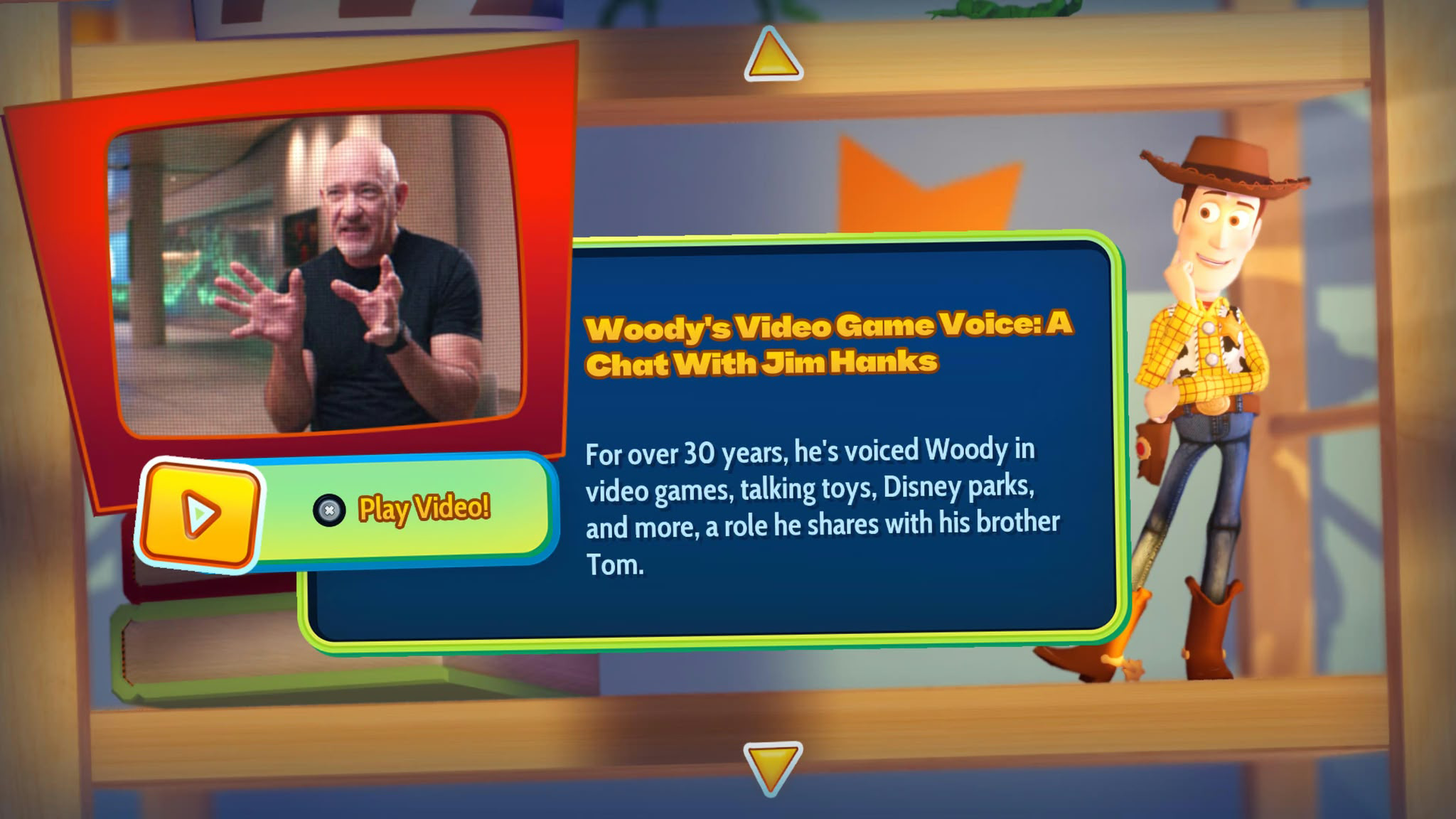
The Toy History museum adds considerable value. It features over an hour of documentary footage and interviews with contributors including Pixar, Disney, Traveller’s Tales and Woody voice actor Jim Hanks. They share insights into game development and the challenges of bringing animated films to consoles. Additionally, the museum showcases development photographs, concept art, design documents and promotional materials. It also preserves original instruction manuals.
Final Thoughts
Toy Story: Retro Roundup is a thoughtful collection that preserves an important piece of gaming history. Digital Eclipse combines classic games with modern accessibility features, visual options and impressive behind-the-scenes material. However, these games aren’t flawless classics. Instead, this collection celebrates over 30 years of Toy Story gaming. Furthermore, its release seems perfectly timed to coincide with the fifth film’s home release.
So whether you’re revisiting these titles or discovering them for the first time, there’s plenty to appreciate. For its historical value, thoughtful features and celebration of the franchise, Toy Story: Retro Roundup earns the Thumb Culture Gold Award.

Disclaimer: A code was received in order to write this review.
YouTube | Facebook | Twitter | Instagram | Discord | Podcast
About Author
