
 0
0  0
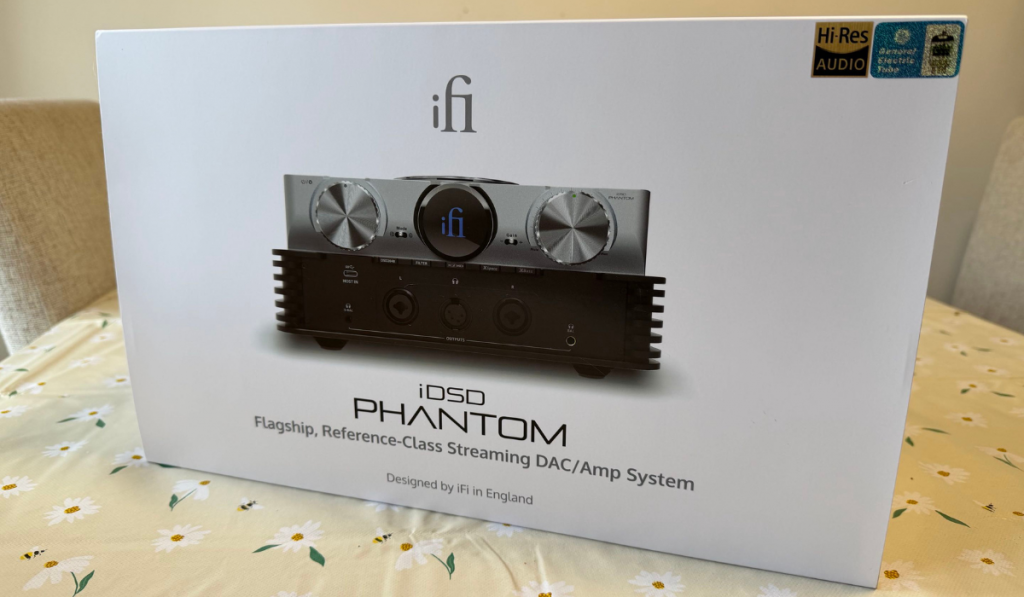
0 With what could possibly be the most expensive piece of tech we’ve ever reviewed here at Thumb Culture. The iFi iDSD Phantom is not only priced at £4,499, it is also an incredible piece of engineering. Now I’m not an audiophile, but I’ve been around sound equipment for years, so I know what sounds good. From being in numerous bands, through to running a sound desk for other artists playing music. My life is always accompanied by music of some sort. So I hope that I’ve got the credentials to bring my thoughts to you.
Phantom Power, or Powerful Phantom?
So having released earlier this year, we’ve been testing this out for a couple of months. Just to make sure that we got the most out of it, we paired it with a set of bookshelf speakers from Edifier, the R1280DB that we have covered here. For our headphone option, we went with a set of EPOS H6 Pro, with our review here.
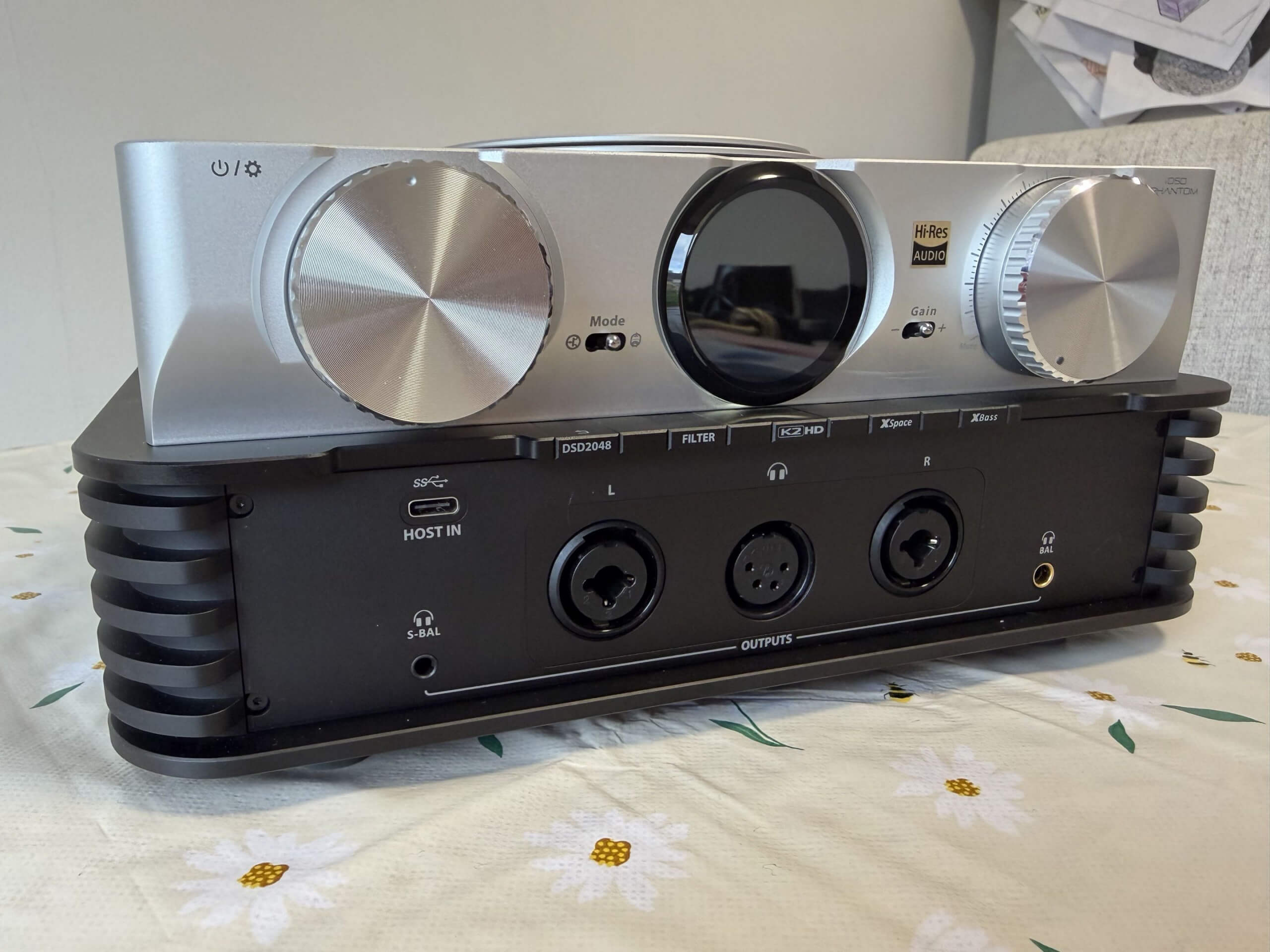
So without further ado, let’s dive in and try and see if the iFi iDSD Phantom is a suitable upgrade for you. Or does the price tag just take it out of contention straight away?
Design Features
Let’s start off and talk about what comes in the box. Thankfully, you get quite a lot of bits and pieces inside the box. You get an RCA cable, a USB A to B cable, an antenna, a fibre optic cable. You then get the iPower Elite, a nice looking power brick with its own heat sink style design. You get an Optibox for connecting to other equipment and then the remote control, just so you don’t have to get up from your listening position. All neat kit, but obviously, you’ve come to read about the unit itself.
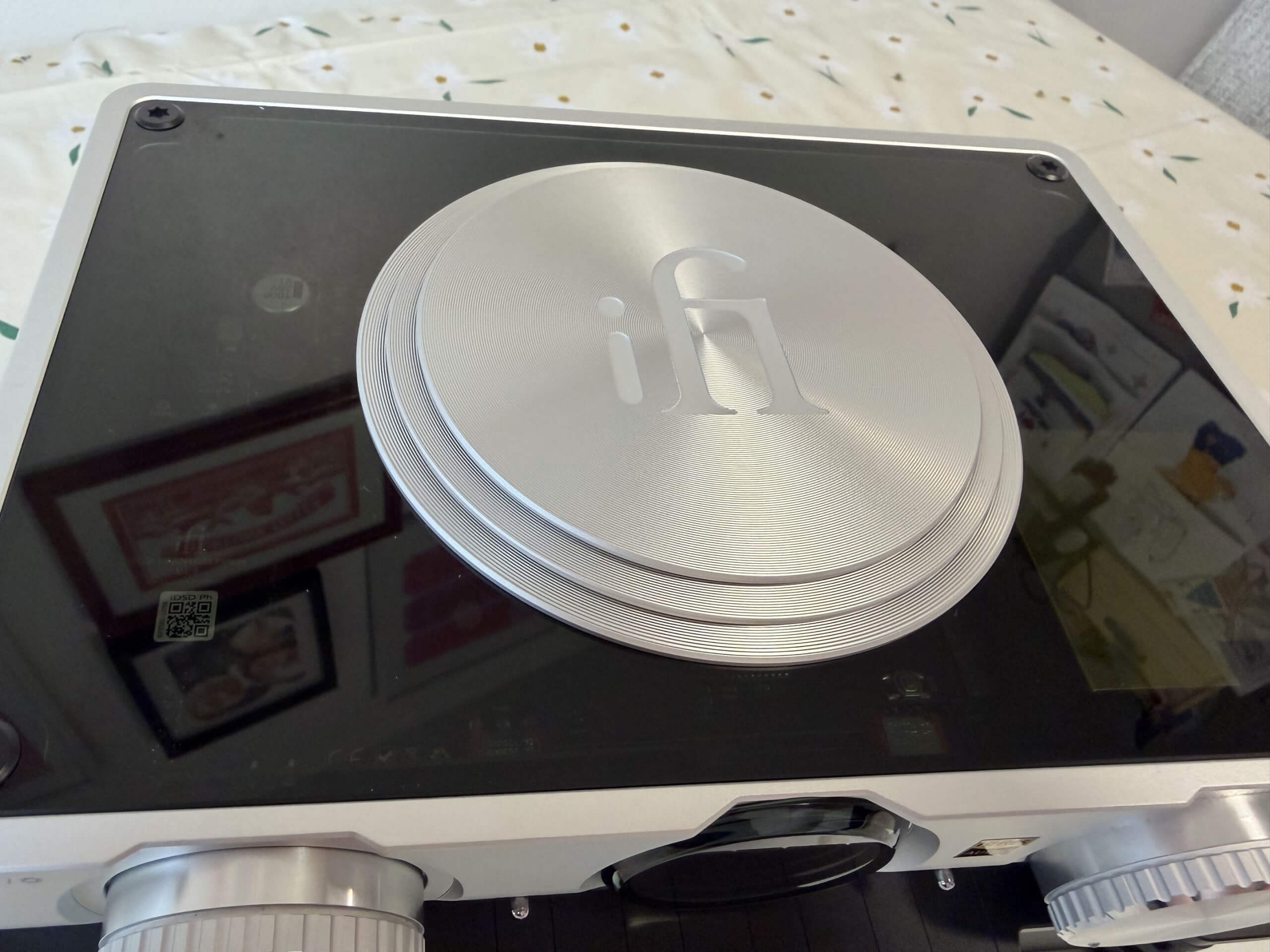
When you hold this unit in your hand, the first thing that goes through your mind is “this is heavy”. I know it might sound obvious with all the gubbings inside doing all the wonderful things. Weighing 3.6kgs it gives you an idea of the materials used. Everything is a metal of some kind, the premium feeling is everywhere. Even the logo on the top of the unit has a premium feel. The glass panel, slightly tinted, hides the electronics within unless you peer in and see the soft orange glow of the audio tubes.
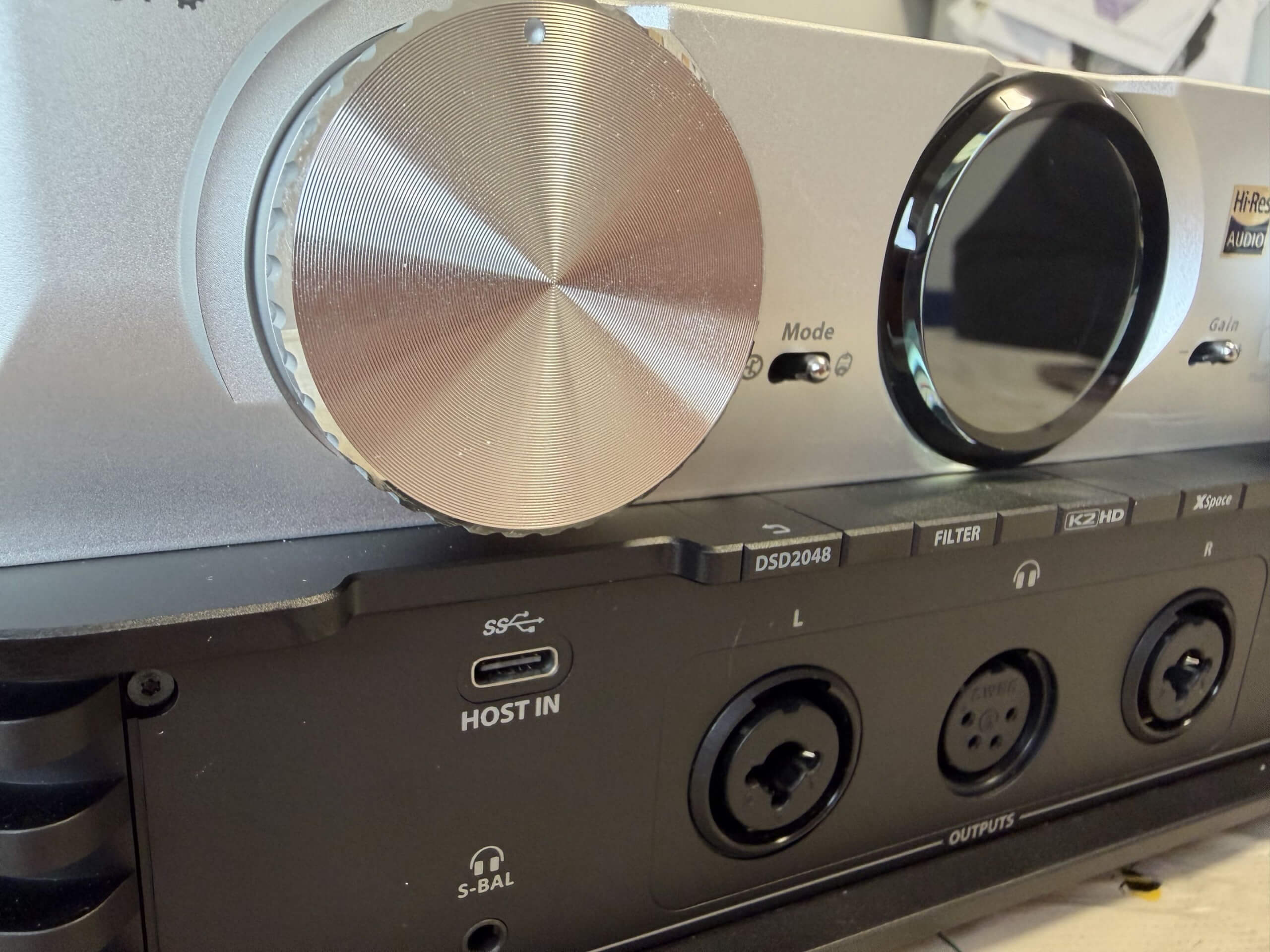
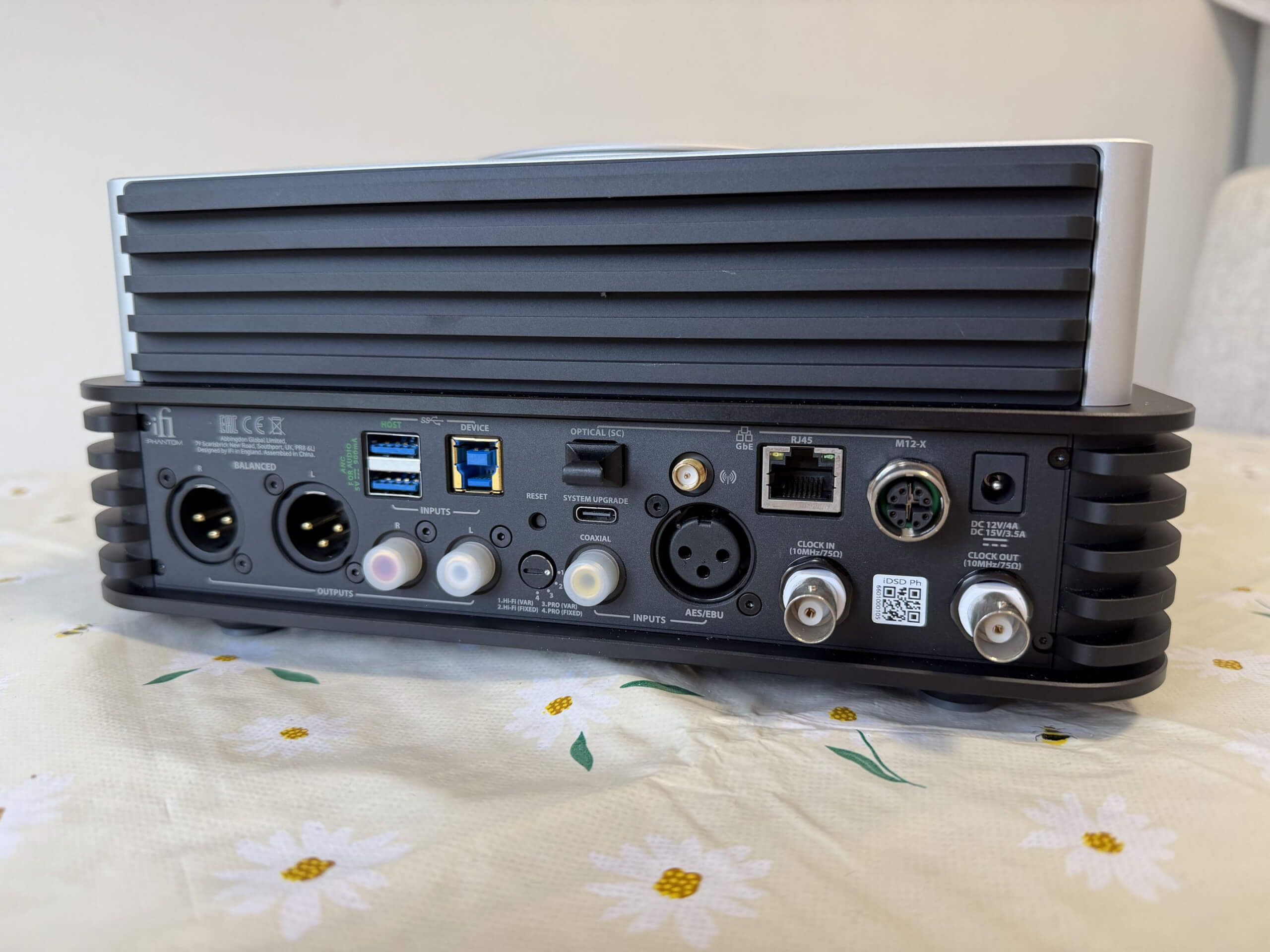
There is a whole host of inputs and outputs, so what I’ll do is just list them below. It’ll be easier for you to search whether what you need is included.
Inputs
1x USB-B 3.0; 2x USB-A (Host);
1x USB-C (Host);
1x S/PDIF (coaxial)
1x AES3 (XLR);
1x RJ45;
1x M12;
1x Optical (SC);
1x BNC (Sync in)
Outputs
1x 3.5mm S-Balanced;
1x 4.4mm Balanced;
1x 4-pin XLR;
1x 3-pin XLR (L/R);
1x 6.3mm (positive phase);
1x 6.3mm (inverted phase)
Testing, Testing
For most of the testing, I made use of the streaming options. Basically, connecting my phone to the iDSD Phantom and playing the music through there. It was a great option, especially if you just want a unit to make your audio really sound incredible. Quickly snapping between the tracks I use to test audio equipment the music was warm and incredibly rounded.
For reference, the standard way that I connect to my speakers is through the headphone jack in my monitor. It’s not perfect, but it works, and in general that will do. If I wanted to listen to music at a higher quality, I’d usually just pop on my headphones and listen. The iDSD Phantom, however, has given me a great appreciation for some of the music I listen to most regularly. Especially that with an orchestra in the background. Allowing all the different instruments to have their own moment is absolutely glorious.
The unit really unlocks the potential of whatever device you connect to it. Bringing rich sounds as well as immersion, especially if you start diving into the settings that lie within the iDSD Phantom. Now, I don’t profess to really understand each and every different option, but with a little bit of patience you can get it setup perfectly for your surroundings.
The Technical Stuff
As with all these high-end pieces of technology, they come with a long list of technical jargon. This jargon often separates people who just want to listen to good music from those who want to know it works on a deeper level. Well this section is going to be full of that sort of thing. Plenty of jargon, plenty of words, but plenty of information.
The iDSD Phantom aims to elevate your hi-fi system, whether thats connected to active or an amplifier for your passive speakers. The use case for this is vast. Even if you wanted to plug in your favourite headphones you are going to be treated to sound unlike the majority of other units out there.
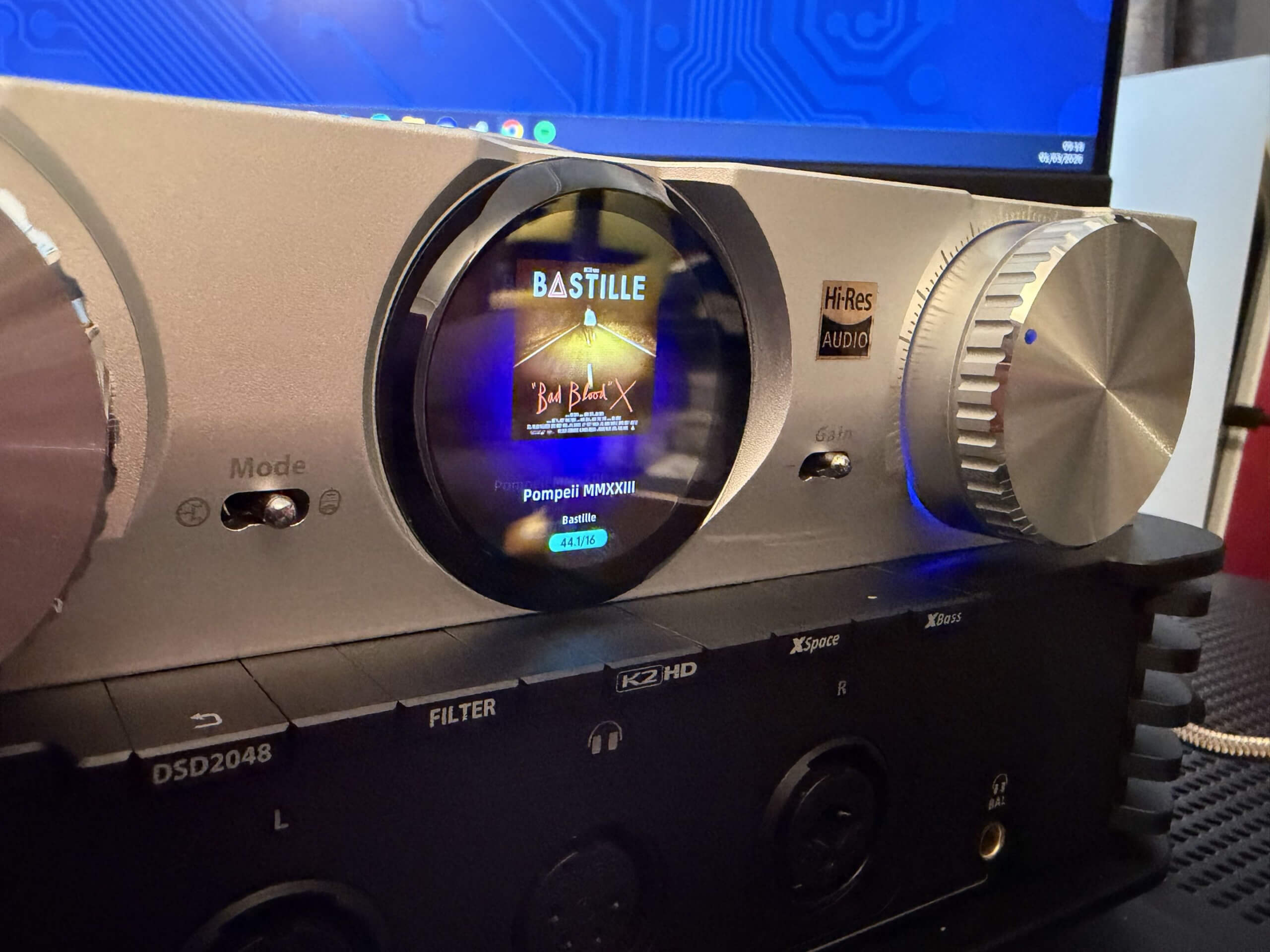
Here come some really impressive words. It included a re-designed, constant impedance negative feedback system to ensure that all the XBass Pro, XSpace Pro and DSD Remastering all work in harmony with each other. With the tubes having their supply voltage fine tune to enhance overall linearity in the audio output. XBass Pro allows the low frequencies to standout without overiding the midrange. Whereas XSpace gives you a 30,60 or 90 degree setting, giving you the best possible performance for your setup.
The final piece of the puzzle is the introduction of the DSD2048 Remastering. This takes technology from Japans master studios, and brings it into your home. Giving you exceptional low level detail for playback that rivals a professionally remastered recording.
There is a bunch of other bits and pieces that the unit does. I feel though, that if you are here searching for this unit, you are already aware of all of that stuff.
Tubes
Within the iDSD Phantom is three different modes. One where you have a Solid-State mode, where discrete J-Fets give you a great precise sound. Then the Tube mode, giving a pair of NOS GE5670 tubes their moment to shine with their liquid smoothness. Finally, the Tube+ mode, which pushes the tubes character for more warmth. Pair all fo those with the 7,747mW peak output, you get a sound quality that is incredible. Honestly, listening to anything using these brought something new to my ears. Think of what it might do to yours?
Final Thoughts
This has been a revelation, albeit an expensive one. At the high price point that it has, the iDSD Phantom is only going to appeal to people who have audio at their hearts. The true audiophiles out there. Does that matter? Probably not to iFi, who pride themselves in delivering impeccable audio hardware. Now I know my writing style isn’t that of numbers and statistics. I mean, honestly, I could have listed all the impressive specs, but you know that already. You’ve come to read this for a review about how it performs and how it makes your audio listening experience better?
Let me tell you, it has definitely given me a much better appreciation for the music we listen to day in, day out. It ate up anything I threw at it, and delivered me an experience I dont think I’ll get again. So for that iFi, thank you! Now time to go off-grid for a while!
The iFi iDSD Phantom gets the Thumb Culture Platinum Award.

Disclaimer: A sample was received to write this review.

YouTube | Facebook | Twitter | Instagram | Discord | Podcast
About Author
