


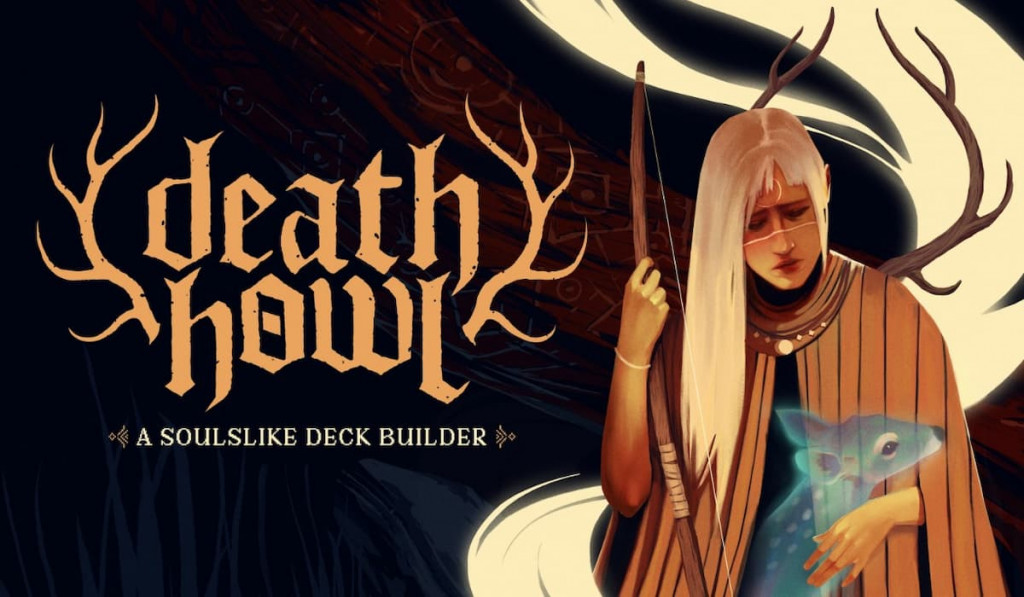
Death Howl invites players into a sorrow-soaked spirit realm where grief becomes both a weapon and a burden. Developed by The Outer Zone and published by 11 bit studios, this indie title blends three genres that have never been combined like this before. It plays like a soulslike with an integrated deck-building system and grid-based combat. You craft combat cards, collect totems, and face corrupted animal spirits as you guide a grieving mother on a desperate journey to challenge death itself and save her son.
Enter the Pixelated Underworld

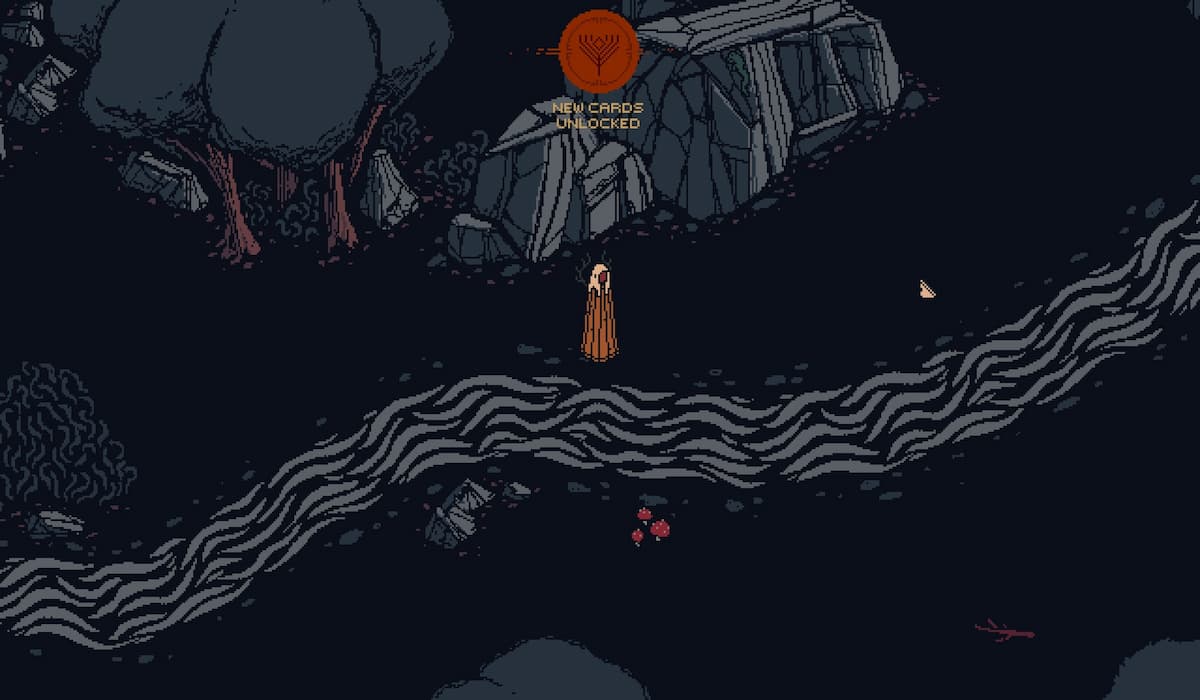
I’ve never been the biggest fan of soulslike games, often preferring the more forgiving variant, soulslite. Death Howl reminds me of one of my favorite games, Blasphemous. Both games have the high difficulty of soulslikes, with a cryptic world to uncover and an exploration-driven story. But they’re also more merciful, like a soulslite with little to no punishment upon dying and numerous checkpoints. Thematically, the comparison still stands as they both recreate a twisted, dark faery-tale version of ancient European cultures.
The game’s gloomy and heavily pixelated aesthetic, combined with its unique combat system, really piqued my interest. Let’s venture together into the dim and oppressive woods of Death Howl.
Gameplay
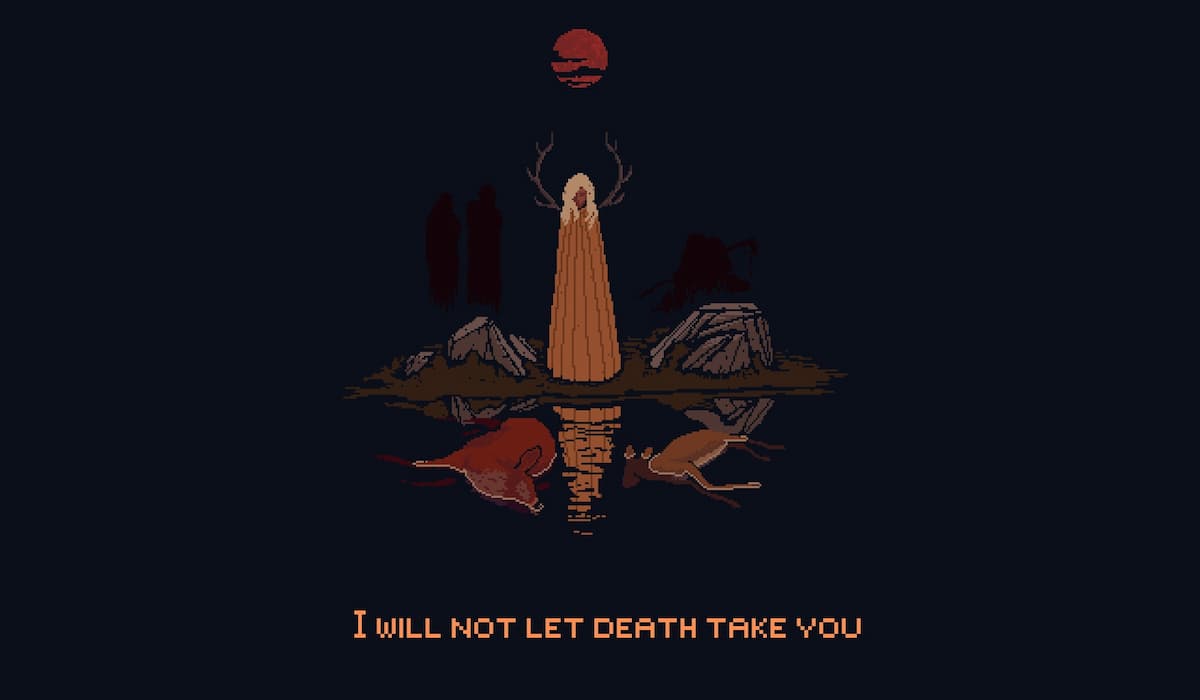
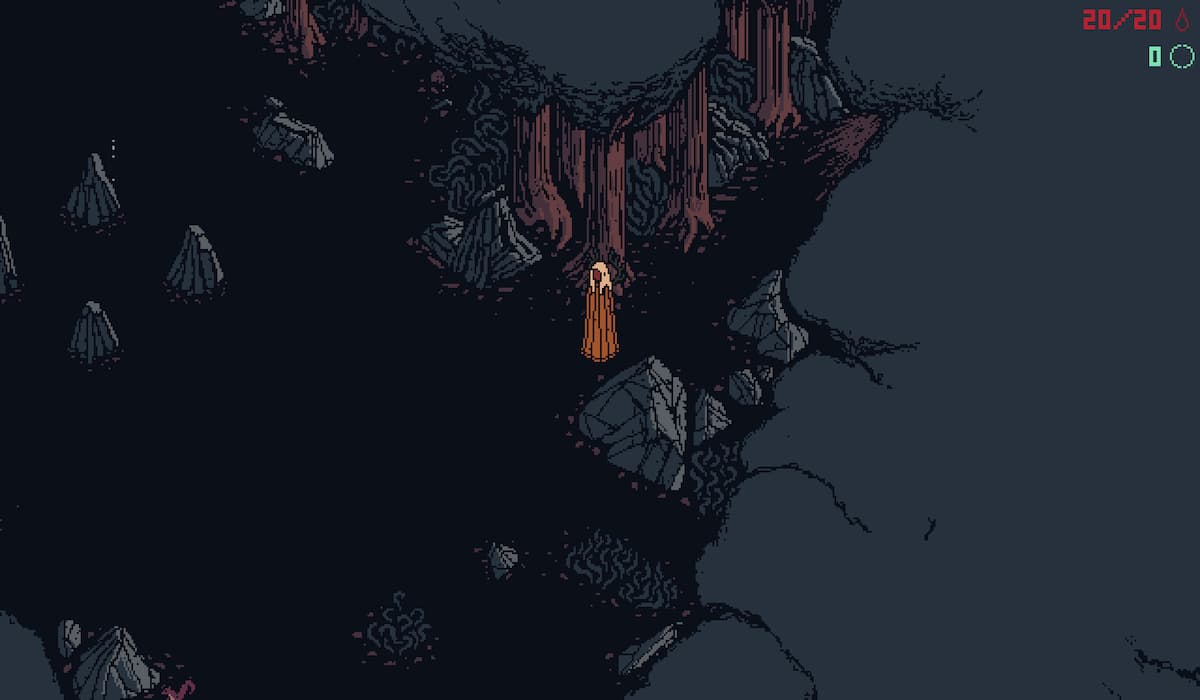
The narrative centers on a mother fighting through the spirit world to reclaim her lost son. It’s a sombre tale delivered in short beats rather than lengthy cutscenes. The emotional hook is there, but the game keeps the storytelling minimal to keep the focus on exploration and combat. On your voyage through the dark forest of this pagan netherworld, you’ll encounter all sorts of spirit animals. Some are good and will guide you, but most have been corrupted over time in the dark spirit world and have become evil.
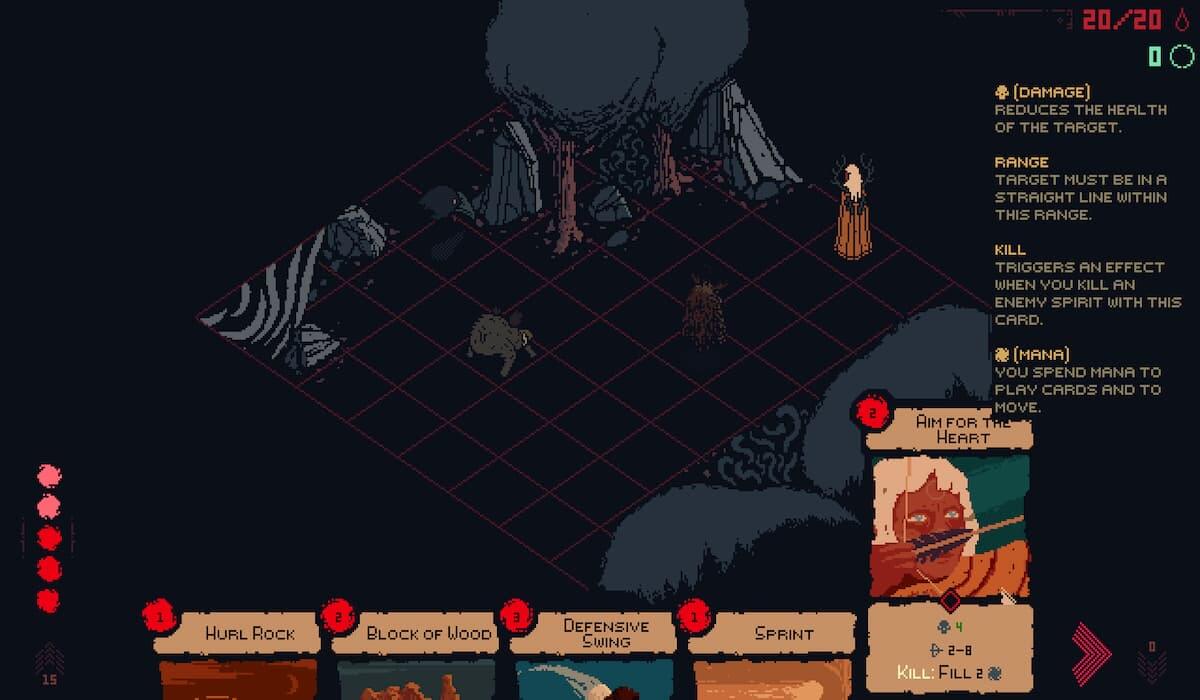
Battles are turn-based and unfold on a grid, where strategic positioning and careful card selection take precedence over classic soulsike combat mechanics like perfect timing and quick thinking. Enemies respawn after every rest point, giving the game a soulslike rhythm, but it leans more soulslite thanks to strategically placed, forgiving checkpoints all over the map. These sacred groves help you restore health to the fullest, rethink your next move, and teleport across the map.
The Dark Forest Demands You To Grind
I have to admit it took me a while to figure out how to level up, upgrade my skills, and how the deck system works. But once I started blasting fireballs out of my hands instead of hurling rocks at my enemies, things shifted a few gears. I was finally able to take on bigger and stronger evil spirits. Which, in turn, then allowed me to scavenge for more crafting items and absorb more death howls to even further level up my deck of cards.
Unfortunately, that did require, at first, quite a bit of walking in circles. I had to beat up the same little ghostly forest creatures over and over again to absorb their death howls and collect the items they left behind. This made things a little too repetitive early on in the game. It wasn’t until I was finally strong enough to break through the bigger groups of spirit animals that I could advance from the initial map.
Graphics & Audio
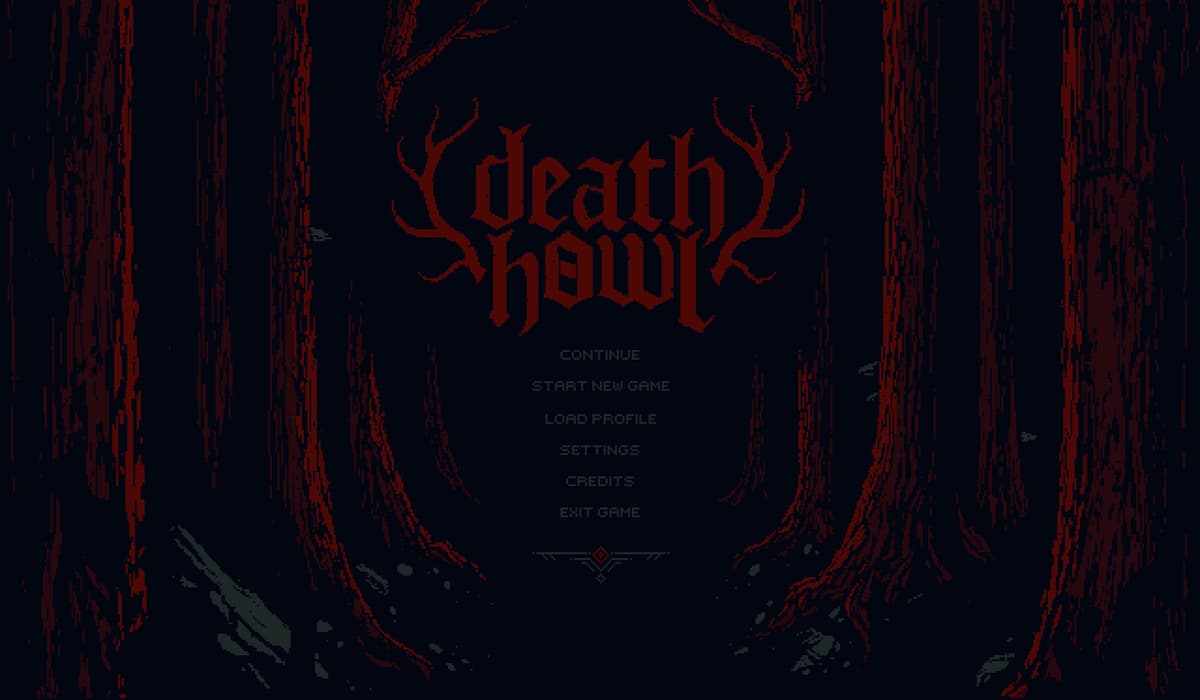
Death Howl utilizes big-pixel aesthetic and a limited dark color palette to its advantage, effectively turning visual constraints into an assertive stylistic choice. The chunky pixels, along with the narrow selection of shades of black, grey, and ember, create a unique, spooky atmosphere. The spirit world feels both raw and polished, both grotesque and beautiful.
The audio of this game is, in my humble opinion, superb. From the lo-fi shamanic music of the main menu to the soft, muffled footsteps the protagonist takes through the dark forest, the acoustics are incredibly well done. Every movement comes with a faint, creeping scuttle, the kind that makes you instinctively want to swat your ear. I can still hear the sound of the spider crawling towards me in combat.
Right before entering combat or when exiting the main menu, there is this spine-chilling, soft sound of bones clacking. It’s these small but effective details in the sound effects that add a nice, thick layer of eeriness to the game. The combat effects are crunchy, hard-hitting, and add a sense of anguish whenever our protagonist is hit or strikes evil critters.
Longevity
The game is estimated to last somewhere between 20 and 30 hours, depending on how much players want to polish their deck and how long it takes them to push through tougher opponents. While the repetitive early-game loop can chip away at momentum, Death Howl maintains enough variety to carry players through to the end. It’s not the kind of game you’ll replay endlessly, but it delivers a solid, well-contained adventure.
Final Thoughts
Death Howls stands out from today’s crowded space of indie soulslikes with its unique mix of deck-based, turn-based, grid-locked combat. Its oppressive darkness, pixelated Nordic tribal aesthetic, and an incredibly well-accomplished audio all blend together in perfect harmony to create an atmosphere that pulls you into its weird, mysterious, and creepy spirit world.
It does fall into a repetitive loop as you farm lesser spirits for upgrades, rather early on in the game. But overall, the game had a level of difficulty and a layer of complexity, both in story and gameplay, that really lured me in. For lovers of the pixel-heavy soulslike / soulslite genre, I definitely recommend this game. It is as challenging as it is rewarding.
With that I award Death Howl with the Thumb Culture Gold Award.


Disclaimer: A code was received in order to write this review.


YouTube | Facebook | Twitter | Instagram | Discord | Podcast