


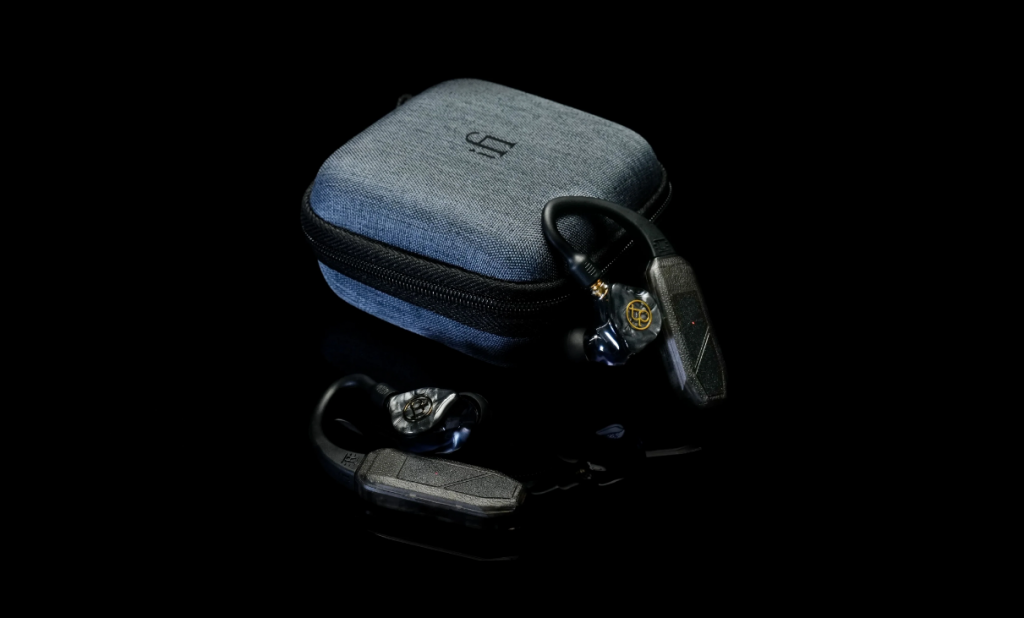
If you are an audiophile, you know the struggle. You have spent more money than you care to admit on a pair of high-end in-ear monitors that sound like an angel whispering secrets into your brain. But then, you step outside. Suddenly, that glorious one-metre braided copper cable becomes a liability. It snags on door handles, tangles on the zip og your clothes, and makes you look like a human telephone switchboard from 1922. You want the freedom of wireless, but you refuse to settle for the compressed, muddy sound of standard Bluetooth buds.
ifi Lets Go!
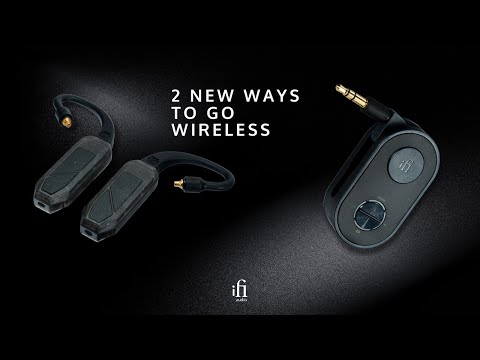
Enter the ifi GO pod Air. This is the younger, leaner, and more affordable sibling of the original GO pod. It promises to turn your favourite wired IEMs into a pair of true wireless powerhouses without murdering the sound quality in the process. At £249, it aims to be the bridge between purist fidelity and modern convenience.

Design & Features
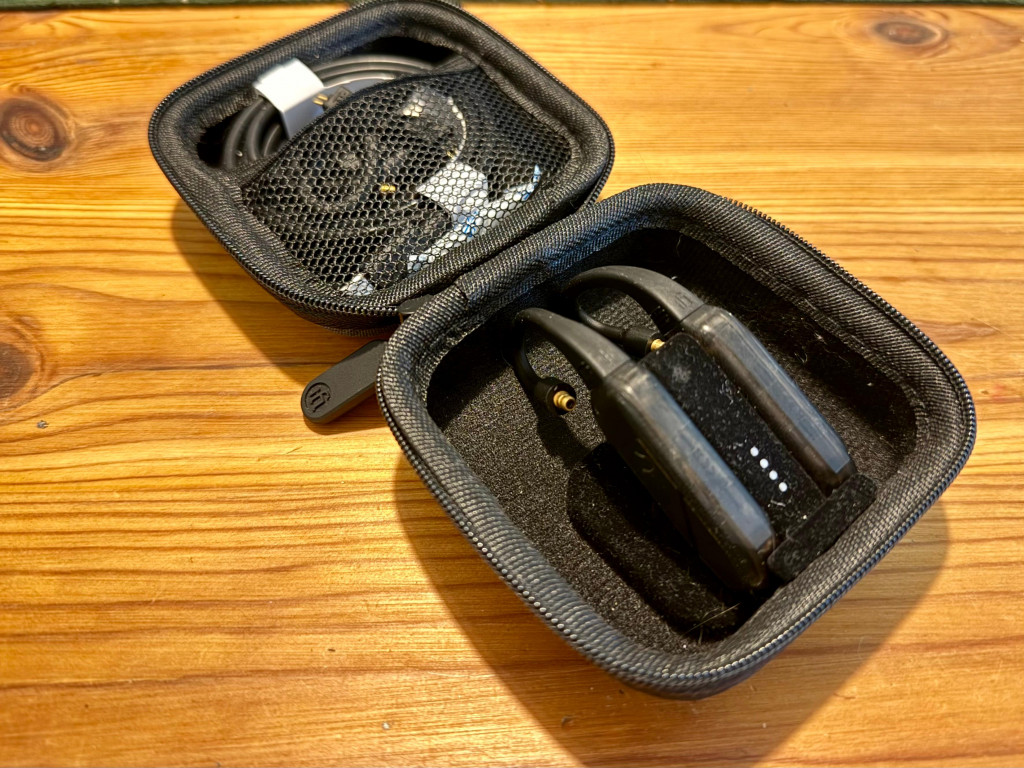
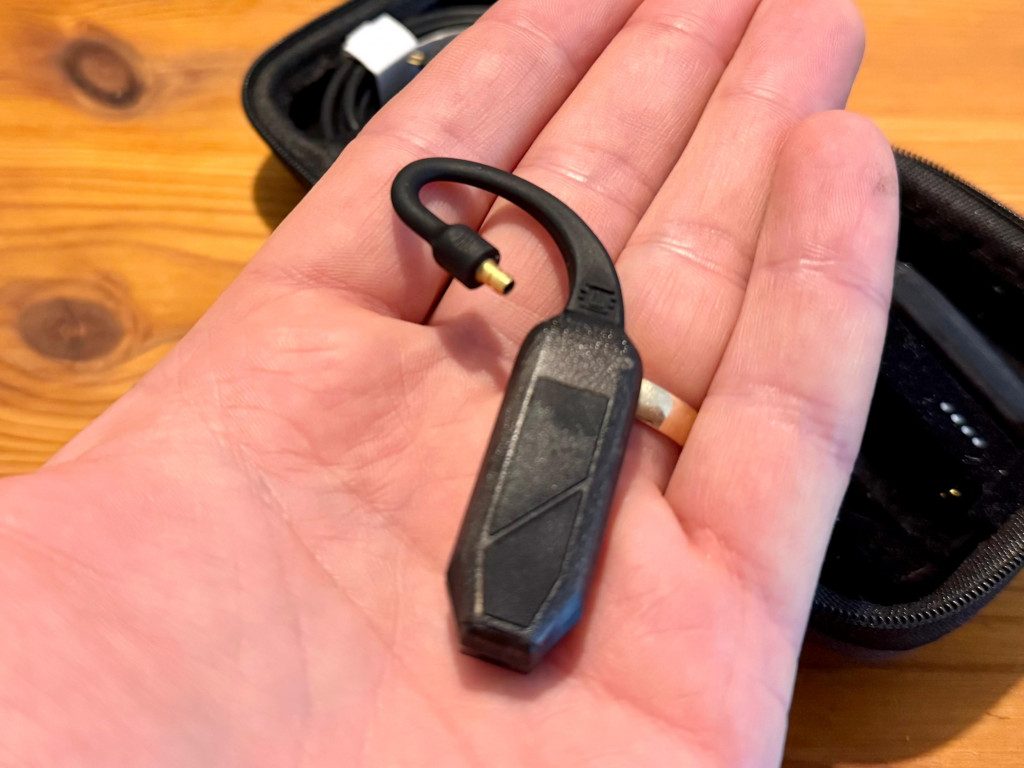
The first thing you notice about the GO pod Air is that ifi clearly put it on a treadmill. The original version was a bit of a chunky monkey, but the Air is roughly 40% lighter and significantly more compact. Each pod weighs in at a mere 10 grams. When you hook them over your ears, they feel less like bulky hardware and more like a gentle suggestion.
The build quality swaps the glossy, fingerprint-prone finish of the predecessor for a classy matte textured polymer. It feels sturdy, grips well, and does not look like you just finished eating a bag of crisps before touching it. One of the best upgrades is the interchangeable ear loop system. Out of the box, you get both MMCX and 0.78mm 2-pin connectors. If you have some exotic IEMs using Pentaconn or T2 connections, ifi sells those loops separately. It is a modular dream.
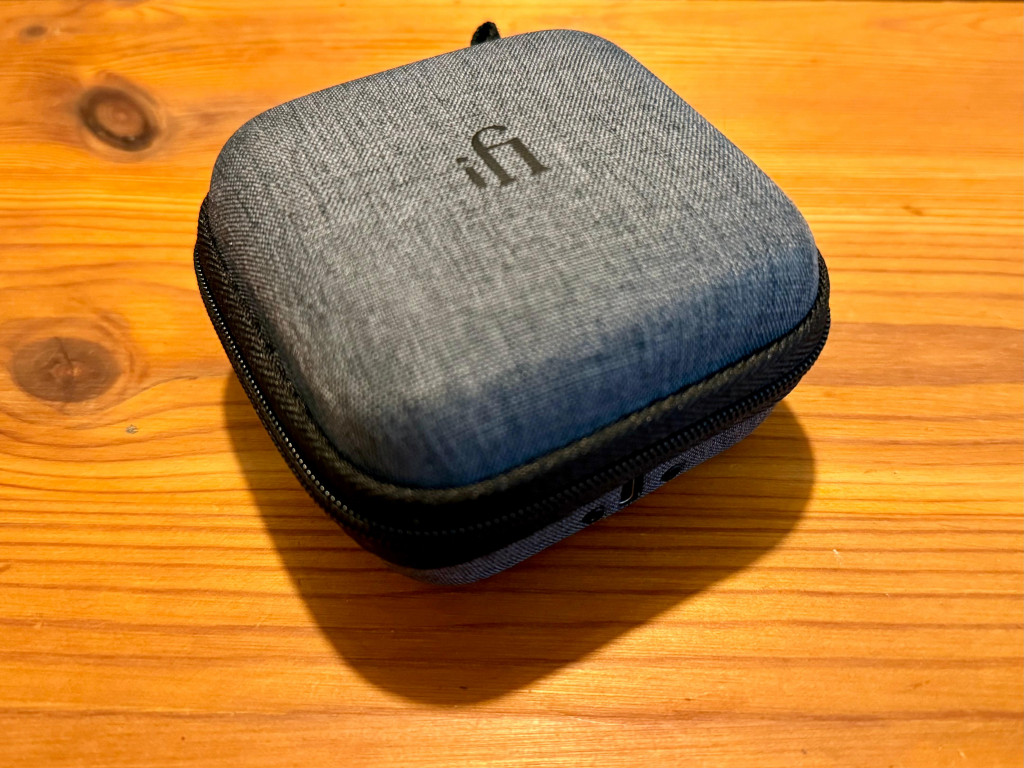
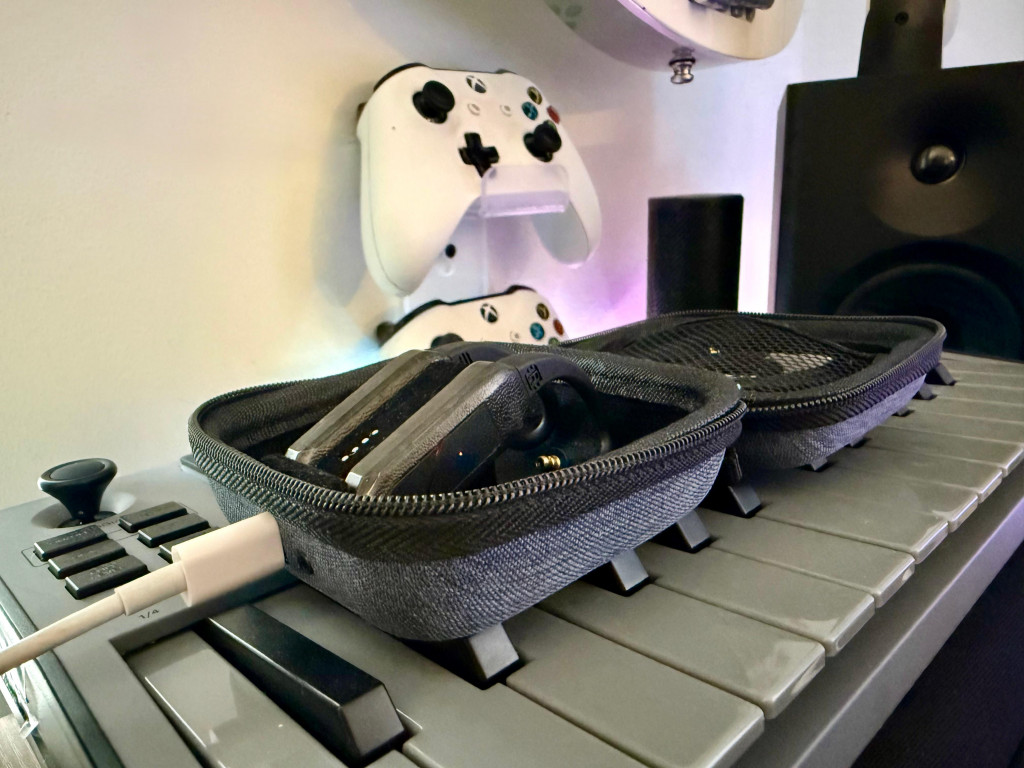
The charging case has also seen a massive overhaul. Gone is the massive jewellery box of old, replaced by a much more pocketable, fabric-textured EVA case. It is roughly the size of a standard IEM carrying case, meaning it can actually fit in a jacket pocket without looking like you are smuggling a brick. Inside, there is even a little compartment for extra loops or a small cleaning tool.
On the tech side, the GO pod Air is stacked. It uses a Qualcomm QCC514x series chip for Bluetooth 5.2 and a dedicated Cirrus Logic MasterHIFI DAC. This is a big deal because most wireless buds use an all-in-one chip that does everything poorly. ifi separates the stages to keep the signal as pure as possible. Plus, it is IPX5 rated, so if you get caught in a drizzle or sweat through a particularly intense jazz fusion solo at the gym, you are covered.
Performance
Performance is where the GO pod Air earns its keep. Let us talk about the Smart Impedance Matching. This feature is like having a tiny sound engineer living inside the pods. The moment you plug in your IEMs and pop them in the case, the system detects if they are 16, 32, or 64 ohms and adjusts the output power accordingly. No more hiss on sensitive monitors and no more thin, weak sound on power-hungry ones.
The codec support is a “who’s who” of high-resolution audio. You get LDAC and LHDC (HWA) for that sweet 24-bit/96kHz playback, alongside the usual suspects like aptX Adaptive, aptX HD, AAC, and SBC. When paired with an Android phone supporting LDAC at 990kbps, the difference between these and a wired connection is terrifyingly small. The soundstage remains wide, the layering is distinct, and the background is impressively black.

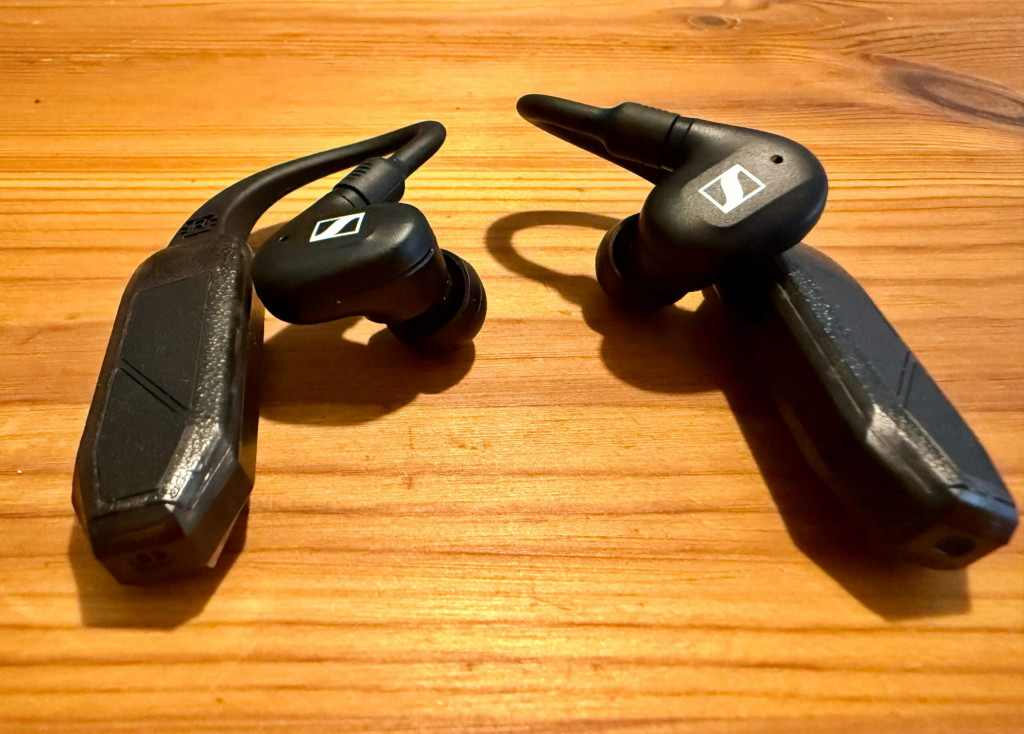
In my testing, the tonal balance was remarkably neutral with just a hint of ifi warmth in the low end. It does not try to rewrite the DNA of your earphones. If your IEMs are bright and sparkly, they will stay bright and sparkly. If they are bass monsters, the Air will let them roar. The amplification is clean, offering plenty of headroom. Even at 50% volume, I found most of my monitors were singing loud and clear; even my Sennheiser IE 100 PRO IEMs that I use for both casual use and when playing in my band performed amazingly well.
Battery life is a solid 7 hours on the pods themselves, with the case providing one full extra charge for a total of 15 hours. Is it the longest on the market? No. But considering these pods are driving high-quality DACs and amplifiers rather than tiny, efficient toy speakers, it is a fair trade. The Bluetooth connection was rock solid during my testing, although like all LDAC devices, it can get a bit twitchy if you put multiple walls between you and your phone.
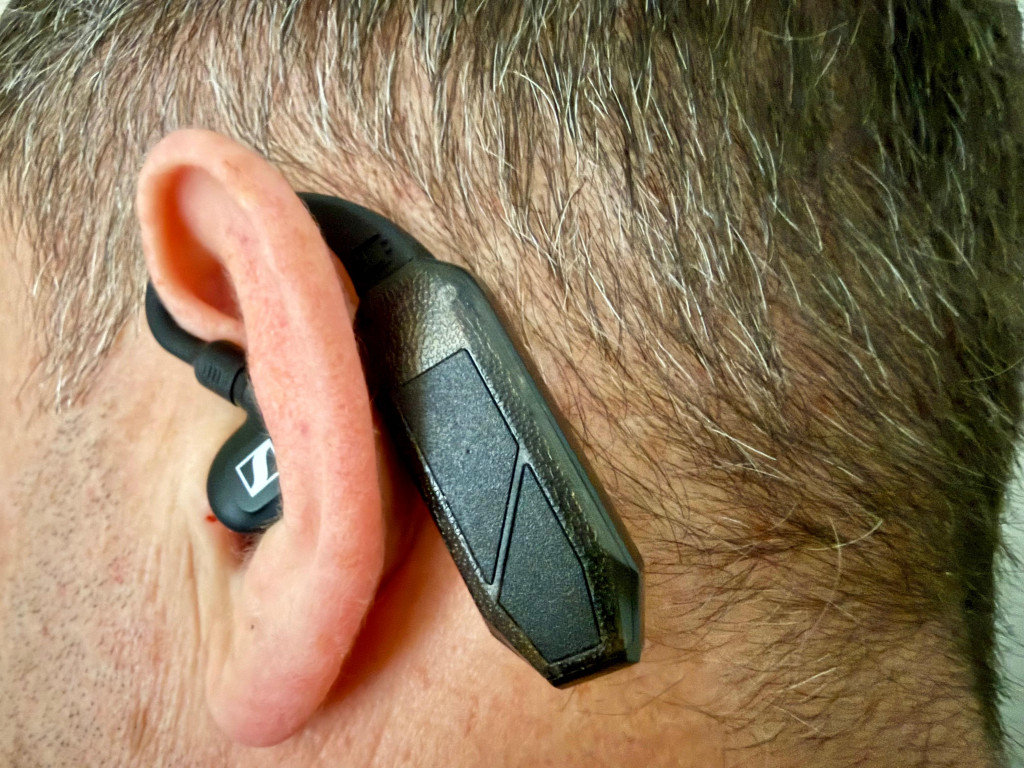
One clever touch is the touch control disable feature. By tapping four times, you can lock the touch surfaces. This is a godsend for anyone who has ever accidentally skipped a track while adjusting the fit of their ear hooks. The dual microphones also do a respectable job with calls thanks to Qualcomm cVc noise suppression, though they still struggle a bit in strong wind.
Conclusion
The ifi GO pod Air is not just a gadget; it is a liberation movement for your ears. It takes the “audiophile” label and actually applies it to the wireless world without the usual compromises. It is lighter, cheaper, and arguably more practical than the original GO pod, making it the sweet spot in the lineup.
While the 15-hour total battery life might feel a bit short for a long weekend away, the trade-off in sound quality is worth every minute of charging. You are getting a genuine high-fidelity signal chain that fits behind your ears, making your IEMs feel like they were born to be wireless.
If you are tired of the “cable spaghetti” dance but refuse to give up your high-end sound, the GO pod Air is the best £250 you can spend on your audio hobby right now. It is fun, it is functional, and it finally lets you walk through a doorway without fear of being yanked backwards by your own ears.
I give the ifi GO pod Air the Thumb Culture Gold Award!


Disclaimer: A sample was received in order to write this review.


YouTube | Facebook | Twitter | Instagram | Discord | Podcast